
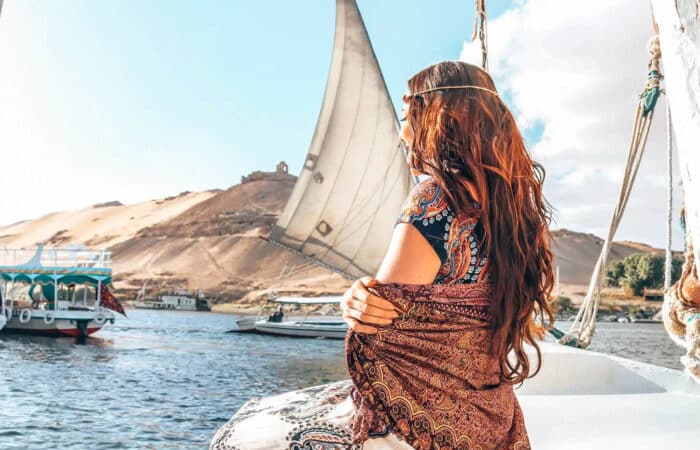
5 Nights Dahabiya From Luxor to Aswan
From$1,500
6 Days
Availability : Everyday
Experience a luxurious 5 Night Dahabiya from Luxor to Aswan, exploring Egypt's most iconic ancient sites along the way. Discover the grandeur of Karnak Temple, Valley of the Kings, and Luxor Temple, rich with history. Sail peacefully to hidden gems like Bisaw Island and El Hegz, where local life flourishes along the river. Enjoy visits to historic destinations such as Edfu Temple, Kom Ombo, and the Temple of Esna, each offering unique insight into ancient Egyptian culture. Conclude your journey in Aswan, exploring the Philae Temple, Unfinished Obelisk, and the High Dam. Throughout, experience the tranquility of the Nile while immersing yourself in Egypt’s living history and traditions.
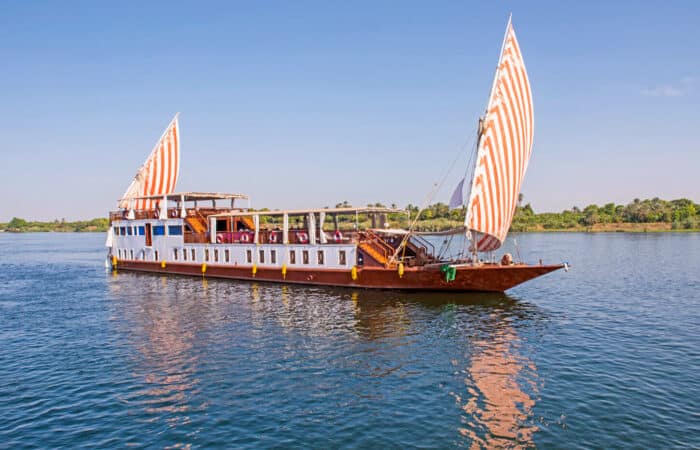
4 Nights Dahabiya from Esna to Aswan
From$1,300
5 Days
Availability : Everyday
Start your remarkable 4 Night Dahabiya from Esna to Aswan, where the splendor of Egypt's past meets the luxury of today. Sail peacefully along the Nile, visiting extraordinary archaeological sites such as the ancient ruins of El Kab, the impressive Temple of Horus in Edfu, and the unique Kom Ombo Temple. In Aswan, explore the iconic Philae Temple and immerse yourself in the vibrant Nubian culture before concluding your journey. Savor stunning Nile views, gourmet meals onboard, and the relaxing ambiance of an intimate cruise that takes you through Egypt's timeless wonders.
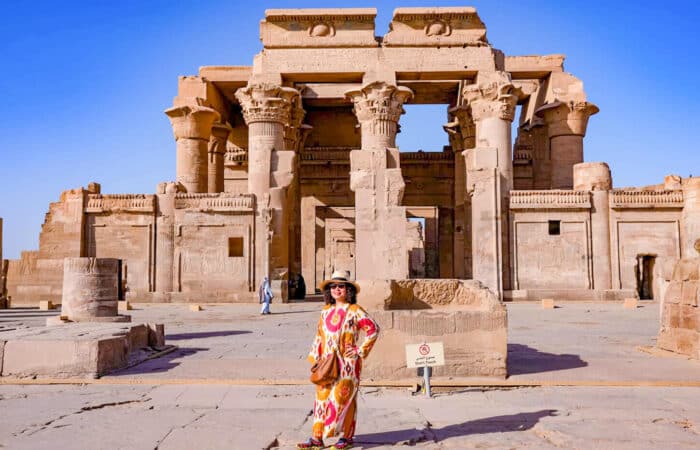
3 Nights Dahabiya from Aswan to Esna
From$1,000
4 Days
Availability : Everyday
Begin your extraordinary 3 Night Dahabiya from Aswan to Esna, where luxury and history unite along the tranquil Nile. Explore iconic sites, from the breathtaking Philae Temple in Aswan to the fascinating Sobek Temple in Kom Ombo and the grand Temple of Horus in Edfu. While gliding through the river’s peaceful waters, relax onboard, enjoy delicious meals, and take in stunning Nile views. Your memorable adventure ends in Esna, leaving you with a deep appreciation for Egypt’s timeless beauty and heritage.

3 Nights Nile Cruise From Aswan To Luxor
From$600
4 Days
Availability : Everyday
This 3 Nights Nile Cruise from Aswan to Luxor is one of the most relaxed and rewarding ways to experience Egypt’s ancient wonders. Sailing along the Nile River, you’ll enjoy a balanced mix of guided sightseeing, scenic cruising, and onboard comfort — without long drives or frequent hotel changes.
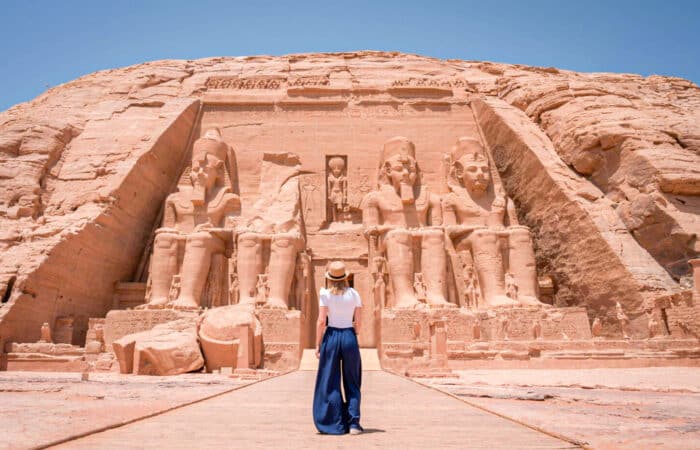
Abu Simbel Temple Tour from Aswan by Vehicle
From$110
12 Hours
Availability : Everyday
Start your day with a trip to Abu Simbel, one of Egypt’s most famous archaeological sites. Travel in comfort from your hotel to the temples carved into the mountainside. Be amazed by the grandeur of the Great Temple, with its majestic statues of Ramses II and the intricately carved interiors dedicated to the gods Ra, Ptah and Amun. Explore the nearby Small Temple, dedicated to Queen Nefertari and the goddess Hathor, where statues of the royal family reveal more intimate details of ancient life. After your visit, enjoy a local lunch before your flight to Aswan. Return to your hotel with unforgettable memories of Egypt’s fascinating past.
Aswan Day Tour From Aswan
From$70
8 Hours
Availability : Everyday
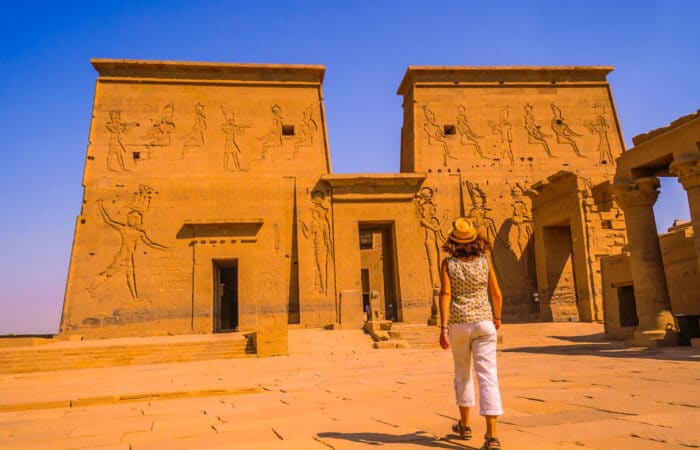
Discover the rich history of Aswan, the ancient capital of Nubia, by visiting its most famous landmarks. Start your day with a tour of the High Dam, a marvel of modern engineering that has changed the face of the region. Then visit the Unfinished Obelisk, a colossal monument that offers a glimpse into ancient stone-cutting techniques. Afterwards, enjoy a delicious lunch at a local restaurant before heading to the serene Philae Temple, dedicated to the goddess Isis, located on a scenic island in the Nile. After the tour, return to your hotel with memories of Aswan’s fascinating past and cultural heritage.

Trip to Nubian Village by Boat
From$70
4 Hours
Availability : Everyday
Start your day with a Nile River steamboat trip from Aswan to the charming Nubian Village. Enjoy the stunning natural beauty of the river as you sail past the Aswan Dam and Sehel Island. Upon arrival, immerse yourself in the vibrant Nubian culture by visiting a local family, sharing a traditional lunch, and learning about their customs and heritage. This fun experience offers a glimpse into the simple yet colorful Nubian lifestyle. After your visit, you will be transferred to your hotel or Nile cruise, with unforgettable memories of this cultural journey.