





Aswan is Egypt's most peaceful city — gateway to Abu Simbel, home to Philae Temple and legendary felucca sailing at sunset. All our Aswan day tours are fully private — your group only, with a certified Egyptologist guide and hotel pickup included.
Aswan sits at the first cataract of the Nile — historically the boundary between Egypt and ancient Nubia, today the most relaxed and visually beautiful city on the entire Nile Valley route. Where Luxor is monumental, Aswan is intimate: felucca sails on the water, desert cliffs in every direction, and a pace that feels entirely separate from the rest of Egypt.
The centrepiece of any Aswan visit is Abu Simbel — Ramesses II's greatest monument, built into Nubian sandstone cliffs 280km to the south and physically relocated in the 1960s in the most ambitious archaeological rescue operation in history. From Aswan, it's a 45-minute flight or 3.5-hour drive. The Philae Temple, dedicated to the goddess Isis and rescued from the rising waters of Lake Nasser, sits on an island reached by motorboat.
At Egypt Tours by Locals, our Aswan day tours include Abu Simbel, Philae Temple, the Nubian Village, and sunset felucca sailing — all fully private, no shared coaches, guided by certified Egyptologists who specialise in Upper Egypt and Nubian history.
"Aswan is where Egypt's ancient story connects to Africa. The Nubian culture, the desert light, the Nile at its most beautiful — and Abu Simbel, which should not be missed under any circumstances. The solar alignment that Ramesses' architects built 3,200 years ago still works perfectly twice a year."
All Aswan tours are fully private — your group only. Abu Simbel day trips by flight or road. All include a certified Egyptologist guide and hotel pickup.
Eight essential experiences for every Aswan visitor — with insider guidance on timing, context, and what your Egyptologist guide can show you that no itinerary can replace.
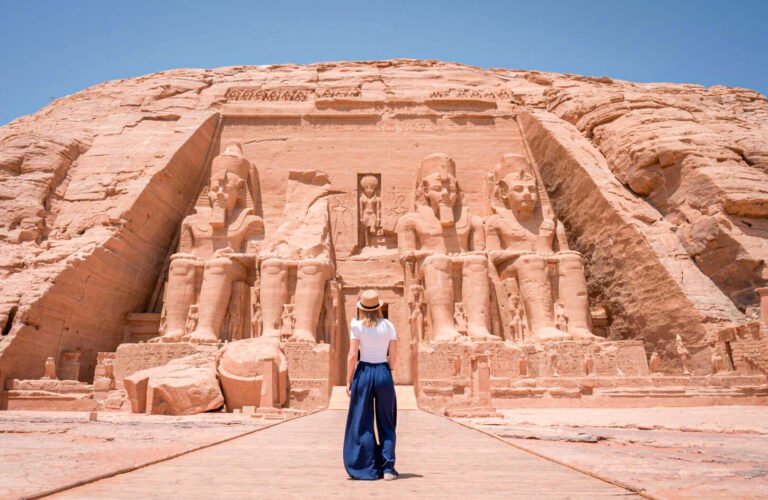
Ramesses II's greatest monument — four colossal statues 20 metres high carved directly into Nubian sandstone. Relocated 65 metres uphill in 1968 in a UNESCO rescue mission. The solar alignment built 3,200 years ago still illuminates the pharaoh's face in the inner sanctum on February 22nd and October 22nd. A 45-minute flight or 3.5-hour drive from Aswan — unmissable.
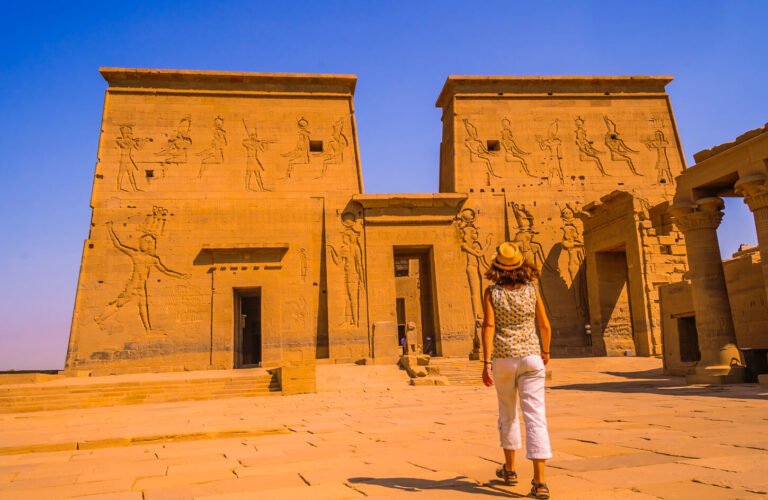
The temple of the goddess Isis, built on an island between 380–362 BCE and moved to Agilkia Island in the 1960s to save it from Lake Nasser's rising waters. Reached by motorboat from Aswan Marina. The Sound and Light Show on some evenings is spectacular — the temple illuminated over the dark Nile.
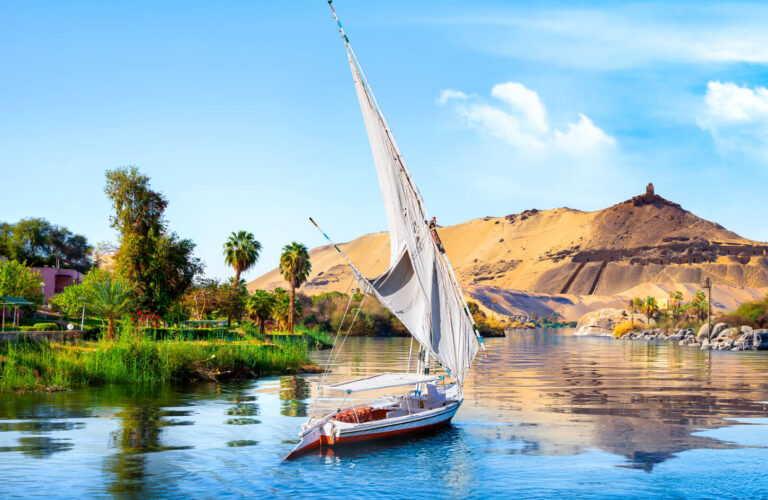
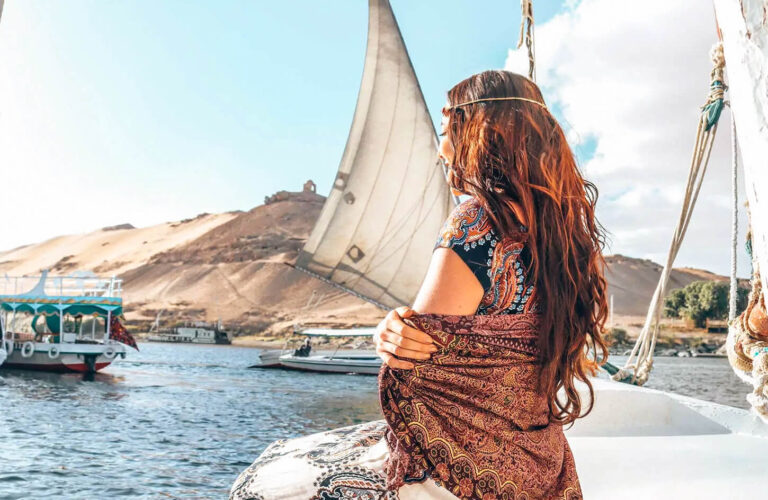
A traditional wooden Egyptian sailboat on the Nile at dusk — sailing past Elephantine Island, the Aga Khan Mausoleum above on the hill, and the desert cliffs glowing gold. This is consistently what Aswan visitors describe as the most peaceful hour of their entire Egypt day tour.
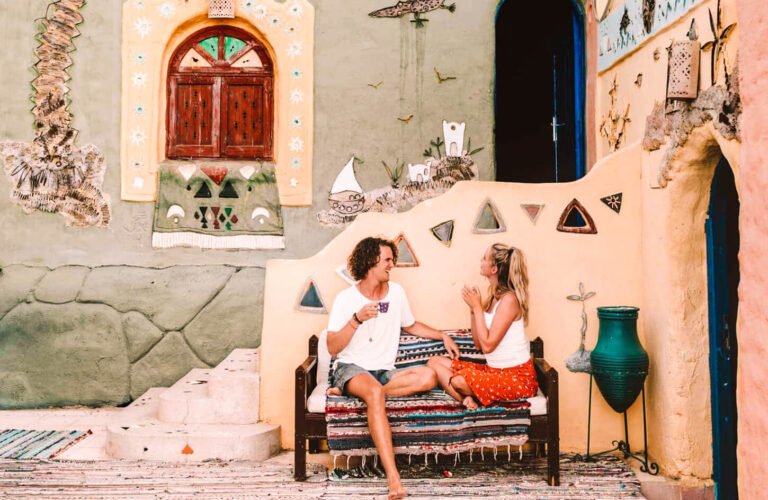
The colourful mud-brick houses of the Nubian community on Elephantine Island — a distinct culture, language, and architecture that predates Arab Egypt. A 20-minute boat ride from Aswan town. Visited best in the afternoon before the felucca sunset.
Still lying in the red granite quarry where it was abandoned 3,500 years ago when cracks appeared in the stone. If completed, it would have been the largest obelisk in history — 42 metres tall and weighing 1,200 tons. A rare glimpse into how ancient Egyptians shaped these monuments before modern tools.
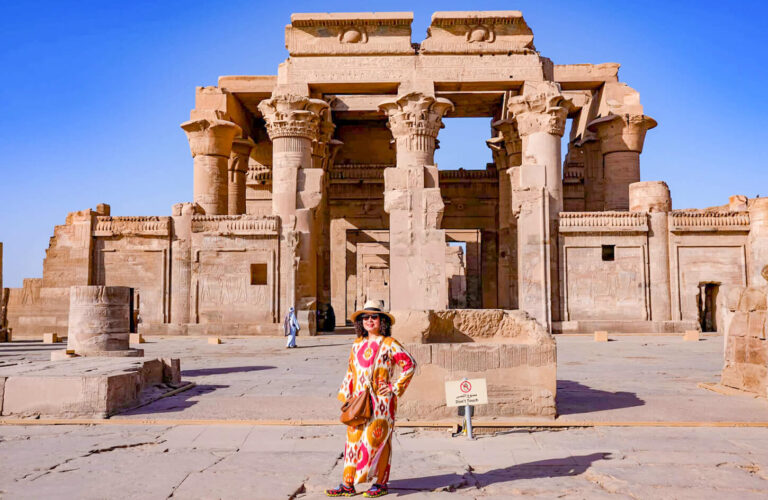
Egypt's only double temple, dedicated simultaneously to Sobek (the crocodile god) and Haroeris — rising directly from the Nile bank 65km north of Aswan. Most atmospheric at dusk, when the setting sun lights the carved reliefs. A key stop on every Aswan day tour itinerary from the Nile cruise.
Built in the 1960s and completed 1970, the High Dam created Lake Nasser (500km long) and displaced 90,000 Nubians. Its construction forced the relocation of both Philae Temple and Abu Simbel. A monument to 20th-century engineering and a complex chapter in modern Egyptian history.
Where Agatha Christie wrote Death on the Nile. One of Africa's most historically significant hotels — perched above the Nile with views of Elephantine Island and the desert cliffs. Afternoon tea on the terrace or dinner at the 1902 Restaurant is available even without staying here.
Timing, logistics, and insider knowledge from our Egyptologists and local specialists — including Abu Simbel flight vs road, and how to combine Aswan with Luxor.
Most day tours depart Aswan for Abu Simbel at 3–4am to arrive by 6am — before the day's coach tours arrive. By 9am the site is crowded. The early departure is worth it: you get Abu Simbel essentially to yourself in the cool morning light.
45-minute flight (recommended) vs 3.5-hour drive. The flight is significantly more comfortable and gives more time at the temples. We arrange both options — the flight adds approximately $60–80 per person to the Abu Simbel day trip cost.
October through April is ideal. Aswan is Egypt's warmest major city year-round — January average is 23°C (73°F). Even in summer, early morning felucca sailing and temple visits are manageable. Avoid August for Abu Simbel — 42°C in the open desert.
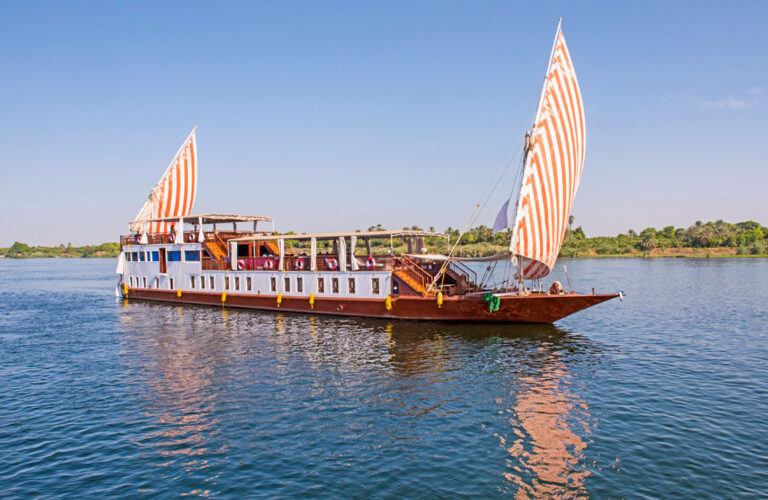
2 days is sufficient for most travellers: Day 1 — Abu Simbel + Philae Temple + Unfinished Obelisk + felucca at sunset. Day 2 — Nubian Village + Kom Ombo + Aswan souq. Most Nile cruise itineraries end in Aswan after 4–5 days sailing from Luxor.
Aswan is 215km south of Luxor — 1 hour by domestic flight or 3 hours by train. We design 2-day Luxor-to-Aswan packages: fly or train to Aswan on day 1, explore Philae + felucca, then depart at 4am for Abu Simbel on day 2 before returning to Cairo. This is our most popular Upper Egypt combination.
Real reviews from real guests — verified on TripAdvisor and Google.
Abu Simbel was the single greatest moment of our entire Egypt trip — and we had already seen the Pyramids and the Valley of the Kings. The scale of the facade, the solar alignment explanation from our guide, the silence in the inner sanctuary. We arrived at 6am with almost no one else there. That hour at Abu Simbel is something I will remember for the rest of my life.
The felucca sailing at sunset was something I didn't know I needed until I experienced it. An hour on the Nile with the Old Cataract Hotel above us, the desert cliffs glowing pink, complete silence except for the water. Philae Temple by motorboat the morning before was extraordinary. Aswan is the most beautiful city I have ever visited — I hadn't expected that at all.
After 5 days on the Nile cruise we thought nothing could match the Valley of the Kings or Karnak. Then Abu Simbel. Our guide's explanation of how UNESCO moved the entire temple complex 65 metres uphill, stone by stone, in the 1960s — and then his explanation of the solar alignment that Ramesses' architects built into the design 3,200 years ago — made this the most extraordinary 2 hours of the entire trip.
Tell us your dates and whether you'd like Abu Simbel by flight or road — we'll design your private Aswan itinerary with a certified Egyptologist within 24 hours.