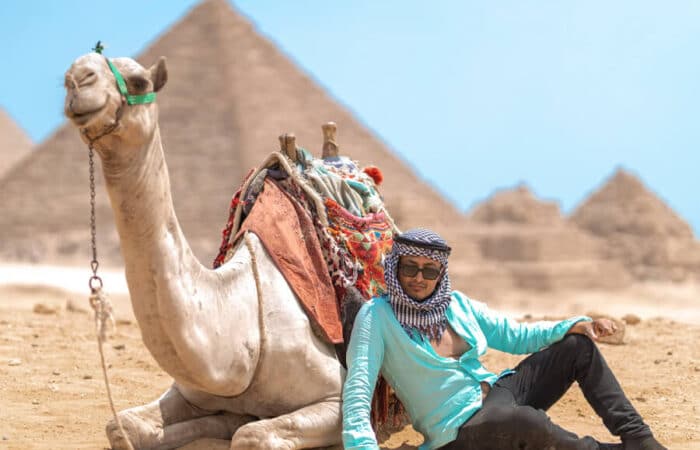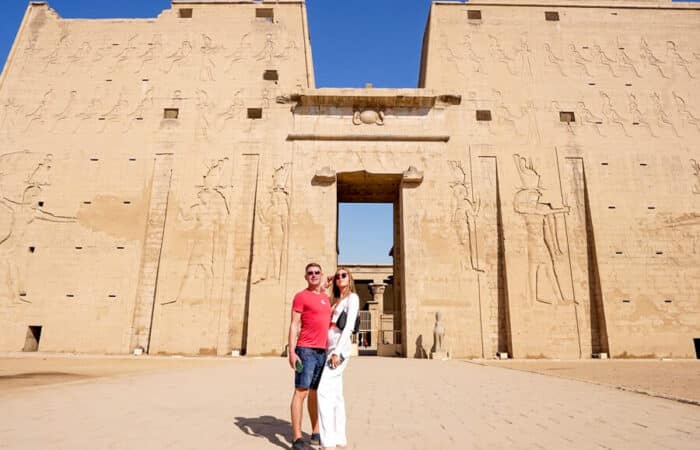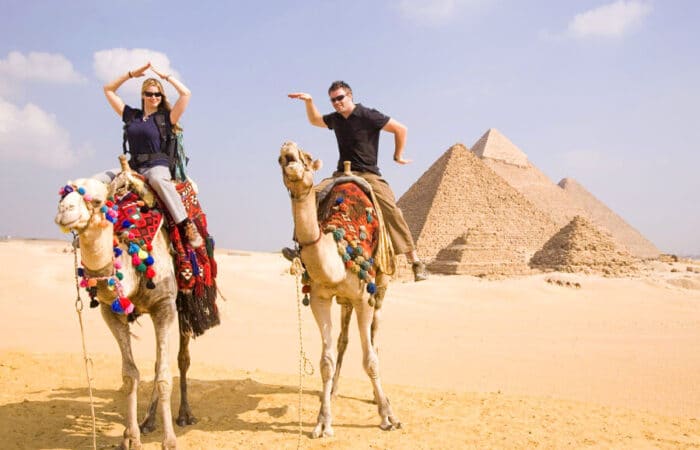
Can you really experience Cairo in just 3 days? Absolutely — if you plan it like a local. Cairo is big, busy, and unforgettable, and the secret isn’t “doing everything”… it’s choosing the right mix of ancient wonders, museums, neighborhoods, and downtime so you don’t feel rushed. Don’t miss the opportunity to check out our Cairo City Breaks to book your trip with us at affordable prices.
This Egypt Itinerary 3 Days is built for travelers (including solo travelers, seniors, families, couples, and adventure seekers) who want the highlights and a few authentic moments — without getting overwhelmed by traffic, crowds, or logistics. You’ll see the classics like the Pyramids of Giza, dive into Egypt’s greatest treasures at the Grand Egyptian Museum, and explore the soul of the city in Old Cairo and local bazaars.
Key Takeaways
- Follow a realistic 3-day Cairo plan that covers the must-see highlights without burnout
- Visit Egypt’s most famous ancient sites: Giza, Saqqara, Memphis, and Dahshur
- Experience Cairo’s cultural layers: museums, Islamic Cairo, and Coptic/Old Cairo
- Learn simple, local-friendly tips for transportation, timing, tickets, heat, and shopping
Cairo in 3 Days: At a Glance
- Best for: First-timers, history lovers, families, couples, solo travelers, and seniors who want a balanced pace
- Style: Iconic sights + cultural neighborhoods + easy, logical routing
- Pace tip: Start early each day (Cairo rewards morning travelers)
- Local planning tip: Group sights by area to avoid losing hours in traffic

Why Spend 3 Days in Cairo Egypt?
Cairo is the best place to start a short Egypt trip because it gives you
three layers of Egypt in one city:
- Pharaoh-era icons (the Pyramids of Giza + Sphinx)
- World-class museums (GEM and NMEC)
- Living neighborhoods where daily life, faith, and food still
feel deeply Egyptian (Old Cairo and the bazaars)
And here’s the local truth: 3 days is enough to feel Cairo — if you group sights by location and start early. Traffic is the one thing that can steal your time, so this Egypt Itinerary 3 Days is designed as a smart route, not just a wish list.
What You’ll Cover in This 3-Day Cairo Plan
- Day 1: Giza Plateau + Sphinx + Grand Egyptian Museum + an evening market stroll
- Day 2: Egypt’s “pyramid evolution day” — Saqqara, Memphis, Dahshur (less crowded, more WOW)
- Day 3: Cairo’s cultural history — NMEC (Royal Mummies), Citadel, and Old Cairo
Who This Itinerary Is Perfect For
- First-time visitors: You’ll hit the big highlights without over-planning
- Families: Big “wow” moments balanced with breaks and easy routing
- Seniors: Comfort-friendly pacing options and fewer hectic switches
- Couples: Sunset + evening experiences (markets, views, Nile options)
- Solo travelers: Clear structure + safe, guided-friendly areas
Want It Done-For-You?
If you’d rather not juggle Cairo traffic and tickets, here are our pre-customized 3-day options you can tweak based on your style:
| Tour Package | Duration | Price (USD) | Tour Link |
| 3 Day Cairo Tour Package | 3 Days | $290 | View Tour |
Day-by-Day Itinerary for 3 Days in Cairo (Egypt Itinerary 3 Days – Cairo Base)
To make this Egypt Itinerary 3 Days actually work in real life, the key is simple: cluster sights by location and start early. Cairo traffic is the biggest time-thief — so this plan is built like a local would do it.
Day 1 – Explore the Giza Pyramids and Grand Egyptian Museum and Khan El Khalili
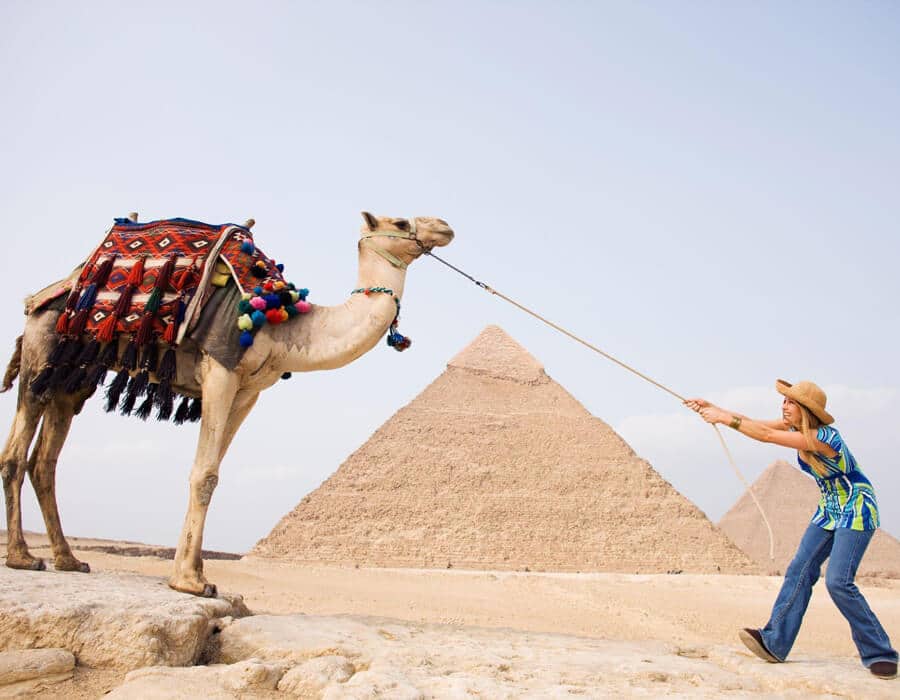
Day 1 is your “wow” day — the kind you’ll remember forever. We’ll keep it efficient by staying mostly on the Giza side of Cairo, so you’re not zig-zagging across traffic all day.
Morning: Pyramids of Giza + the Sphinx (2.5–4 hours)
If this is your first time in Egypt, start early and go straight to the Giza Plateau. The earlier you arrive, the cooler it feels, the lighter the crowds are, and your photos look better.
What to do at Giza (in a smart order):
- Start with the panoramic viewpoint for the classic “all three pyramids” photo.
- Walk closer to the Great Pyramid of Khufu and take a moment to really look — the scale is hard to grasp until you’re standing beside it.
- Finish near the Sphinx, ideally before midday crowds build up.
Local guide tip (saves stress):
- Giza can feel intense with vendors. A simple, polite “La shukran” (No, thank you) and continuing to walk works best.
- If you want deeper context (and fewer interruptions), consider a licensed guide. Our pyramids guide is here:
Fun Facts About the Pyramids of Giza
For families + seniors:
- Choose a slower loop: viewpoint → Khufu area → Sphinx, then exit.
- Bring a hat + water + light snacks. Shade is limited.
For couples:
- Ask your driver/guide for a quiet photo stop away from the main crowd flow — it makes a big difference.
For adventure seekers:
- If you’re comfortable with tight spaces, you can add the interior of one pyramid (plan extra time + expect narrow passages).
Afternoon: Grand Egyptian Museum (GEM) (2–4 hours)
After the desert heat, the museum is a perfect shift — air-conditioned, organized, and packed with treasures.
How to enjoy GEM without “museum fatigue”:
- Pick 2–3 must-see areas instead of trying to do everything.
- Move slowly and read less — look more. The best moments are often the details.
For planning notes and what to prioritize, use your full guide here: Grand Egyptian Museum (GEM) Guide
Local timing tip:
- Aim to arrive early afternoon so you avoid the hottest part of the day at Giza and you’re not rushing museum time.
Evening: Khan El Khalili Bazaar + a classic café stop (1.5–3 hours)
End Day 1 in Islamic Cairo with an easy evening stroll through Khan El Khalili — it’s lively, colorful, and feels like old Cairo.
What to do:
- Browse for souvenirs, spices, jewelry, and handmade items.
- Take a break at a traditional café (even just mint tea and people-watching is a Cairo experience).
Shopping tip (very Cairo):
- Bargaining is normal — keep it friendly and light. If you’re not enjoying it, smile and walk away.
- If you want a quick list of what’s actually worth buying, here’s our guide: What to Buy in Egypt
Solo traveler note:
Go earlier in the evening (not too late), and consider walking with a guide/driver drop-off so you’re not negotiating taxis in the busiest moments.
Optional “Easy Add-On” (if you still have energy)
If you want one extra “Cairo at night” moment:
- A short Nile felucca ride, or
- A viewpoint stop like Al-Azhar Park (calmer, scenic, great for couples and families)
Day 2 – Discover Ancient Egypt: Saqqara, Memphis, and Dahshur
Day 2 is one of my favorites — and it’s the day most visitors don’t plan well. These sites are spread out, so the secret is simple: start early, keep your route efficient, and don’t overstay at one stop.
This day gives you something Giza can’t: space, quieter views, and the story of how pyramids evolved from early experiments into the smooth-sided giants.
Morning: Saqqara (Step Pyramid of Djoser) (2–3 hours)
Begin at Saqqara, home to the Step Pyramid of Djoser, the oldest major stone pyramid in Egypt. It looks different from Giza because it’s the blueprint that came first.
What makes Saqqara special (in plain English):
- It’s where Egypt moved from simple tombs to true monumental architecture.
- You’ll see wide open desert views with far fewer crowds than Giza.
Local guide tip:
- Saqqara is full of history that’s easy to miss without context — having a guide (even for part of the day) helps you understand what you’re looking at, not just take photos.
If you want a broader planning overview for Cairo and nearby sites, this helps: Cairo Egypt Ultimate Guide
For seniors/families:
- Wear shoes with grip — paths can be sandy and uneven.
- Plan for short rests in the shade where available.
Midday: Memphis (1–1.5 hours)
Next is Memphis, once the capital of ancient Egypt. Today it’s more of a quick but meaningful stop — especially for the colossal statue of Ramses II.
What to focus on here:
- Ramses II statue (you’ll feel tiny next to it)
- The open-air collection that shows the scale of what Memphis once was
Local pacing note:
- Memphis doesn’t need a long visit. Think of it as a powerful “context stop” that fits perfectly between Saqqara and Dahshur.
Afternoon: Dahshur (Bent Pyramid + Red Pyramid) (2–3 hours)
Now for the hidden gem: Dahshur. Many travelers say this ends up being their favorite pyramid site because it’s peaceful and less touristy.
What you’ll see:
- Bent Pyramid: famous for its “change of angle” — an engineering lesson carved into stone
- Red Pyramid: Egypt’s first successful smooth-sided pyramid (and one of the best to appreciate up close)
For couples + photographers:
- Dahshur is incredible for wide, quiet desert photos — especially late afternoon light.
For adventure seekers:
- If you’re okay with narrow corridors, the Red Pyramid interior can be a fun add-on (plan extra time and expect steep passages).
Key Highlights + Practical Tips (so Day 2 feels smooth)
- Start early (really early): This is a full-day route.
- Best way to do it: Private driver or guided tour — these sites are spread out, and you’ll save time and hassle.
- Bring: Water, sun protection, tissues/hand sanitizer (useful at remote sites).
- Food strategy: Eat a good breakfast, then plan a simple lunch stop (or bring snacks) so you don’t waste time hunting for options in remote areas.
Day 3 – Cairo’s Rich History: Egyptian Civilization Museum, Cairo Citadel, and Old Cairo
Day 3 is where Cairo really comes alive — not just ancient Egypt, but the layers that came after: Islamic Cairo, Coptic Cairo, and modern Egyptian identity. It’s a beautiful day for culture, architecture, and storytelling, and it’s especially great for families, seniors, couples, and solo travelers because it’s less physically demanding than a full desert day.
Morning: National Museum of Egyptian Civilization (NMEC) + Royal Mummies (2–3 hours)
Start at the National Museum of Egyptian Civilization (NMEC). This museum does something different from the big “ancient artifact” museums — it tells the full Egyptian story, from prehistoric eras through Islamic and modern Egypt.
Most travelers come for the Royal Mummies Hall (and yes — it’s worth it if you’re interested in ancient history).
Local guide tip (how to enjoy NMEC):
- Do the Royal Mummies section first while you’re fresh.
- Then choose a few galleries that match your interests (daily life, crafts, historical eras).
For families:
Kids often enjoy the “how people lived” sections more than long statue galleries — let them lead a little.
For seniors:
NMEC is a comfortable start because it’s organized, indoor, and easy to pace.
Afternoon: Cairo Citadel + Mosque of Muhammad Ali (2–3 hours)
Next, head to the Cairo Citadel (Citadel of Saladin). It’s one of Cairo’s most important landmarks, and the views alone are worth it — you’ll see the city stretch out in every direction.
Inside, the star is the Mosque of Muhammad Ali, a masterpiece of Ottoman-style architecture.
What to do here (simple and efficient):
- Enjoy the panoramic viewpoints (great for photos)
- Tour the mosque and take your time with the details (domes, marble, chandeliers)
To add more context before your visit, you can link readers here: Islamic Cairo Guide
Cultural etiquette reminder:
- Dress modestly (shoulders and knees covered)
- Women may want a light scarf for comfort in religious spaces (sometimes provided, but it’s easier to carry your own)
- Shoes are removed in some areas
Late Afternoon: Old Cairo (Coptic Cairo) — Hanging Church + historic streets (2–3 hours)
Finish your day in Old Cairo, where the city feels quieter and more intimate. This area is famous for its Coptic Christian heritage and its deep historical roots.
Top stops in Old Cairo:
- The Hanging Church (one of Egypt’s most famous Coptic churches)
- Coptic Cairo lanes for a gentle walk through historic streets
- Optional: Ben Ezra Synagogue if you’re interested in Cairo’s multi-faith history
This internal link fits perfectly here: Coptic Cairo Guide
For couples:
- Old Cairo has a calmer vibe that’s perfect for a slow walk and photos without crowds.
For solo travelers:
- This area is easy to explore with a guide, and it’s also a great “daylight neighborhood” if you prefer avoiding late-night navigation.
Optional Evening Ideas (choose one)
If you still have energy after Old Cairo, pick one — don’t try to do all:
- Al-Azhar Park for sunset views and a peaceful walk
- A short Nile felucca ride (relaxing, romantic, and family-friendly)
- A casual dinner in Zamalek or Downtown (more modern Cairo vibe)
Mini “Local Flow” Tip (ties the day together)
Today is a perfect day to slow down and enjoy Cairo like we do:
- Museum in the morning (cool + quiet)
- Citadel midday for views
- Old Cairo late afternoon for atmosphere
- Tea/coffee break between stops so you don’t feel rushed
Essential Travel Tips for Visiting Cairo in 3 Days (Practical, Local-Friendly Advice)
A great itinerary is only half the story — the other half is knowing how Cairo actually works. These tips will help your Egypt Itinerary 3 Days feel smooth, safe, and enjoyable (especially if you’re visiting from the U.S. and it’s your first time in Egypt).
Best Transportation Options for a Short Trip in Cairo
Cairo traffic is real — and it can be the difference between “amazing trip” and “why are we still in the car?” For a short visit, convenience matters.
Best options (ranked for most travelers):
- Private driver (best overall): Most efficient and comfortable for families, seniors, couples, and anyone who wants a low-stress trip.
- Uber or Careem (best budget-friendly convenience): Great for solo travelers and couples; easy, predictable, and you avoid taxi negotiation.
- Taxi (works, but set the price first): If you use a taxi, agree on the fare before the ride to avoid surprises.
- Metro (cheap, fast for some routes): Useful for confident travelers, but it can be crowded and not ideal with kids or mobility concerns.
Local pro tip:
- If you’re going to Giza, Saqqara, or Dahshur, don’t rely on “figuring it out as you go.” Those sites are spread out, and a driver/tour saves time and energy.
Best Time to Visit Cairo and the Pyramids (Weather + Crowd Strategy)
For most travelers, the most comfortable time is October through April — cooler days, easier walking, better sightseeing. Find the Best Time to Visit Egypt based on weather, crowds, prices, and top experiences.
Season breakdown (simple and realistic):
- Oct–Apr: Best weather for pyramids + long walking days
- May–Sep: Very hot — plan early mornings, rest midday, and focus on indoor museums in the afternoon
Local timing rule for Giza:
- Go as early as possible. Midday sun at the pyramids can feel intense, especially in summer.
Not sure which month fits your travel style? Compare weather, crowd levels, and what to do each month in one place. 👉 See what Egypt is like month by month—temps, highlights, and travel tips.
Local Etiquette + Cultural Sensitivity Tips (Easy Wins)
Egyptians are warm and welcoming — and a few small habits make your experience smoother.
Quick etiquette checklist:
- Dress modestly (especially in mosques/churches): cover shoulders and knees
- Shoes off in some religious spaces (follow signage and locals)
- Public affection: keep it subtle (especially outside tourist areas)
- Bargain politely in markets — smiling goes a long way
- Photography: ask before photographing people, especially in quieter neighborhoods
Helpful phrase:
- “La shukran” = “No thank you” (polite and effective)
Dining Recommendations and What to Try in Cairo:
Cairo is a food city — and you don’t need fancy restaurants to eat well.
Must-try Egyptian dishes:
- Koshari (comfort food: pasta + rice + lentils + crispy onions + tomato sauce)
- Ful medames (slow-cooked fava beans — the classic Egyptian breakfast)
- Taameya (Egyptian falafel made with fava beans — lighter than chickpea falafel)
- Shawarma (easy, quick, everywhere)
Local favorites (easy to reach):
- Abou Tarek (koshari, downtown)
- Felfela (classic Egyptian dishes, downtown)
- El-Fishawy Café (historic café in Khan El Khalili — perfect for mint tea)
Family/senior comfort tip:
- Stick to busy, well-known spots and drink bottled water — it’s the easiest way to avoid stomach issues.
What to Buy in Cairo (and where to shop without wasting time)
If you only shop once in Cairo, shop in Khan El Khalili — but go with a plan so it doesn’t feel overwhelming.
Good Egypt souvenirs that travel well:
- Cotton scarves, small textiles, and handmade items
- Spices (light, easy, fun gifts)
- Silver jewelry and simple handmade pieces
- Perfume oils (if you like scents — test before you buy)
Where to shop:
- Khan El Khalili: the classic bazaar for souvenirs
- Souq al-Attarin (spices/perfumes): great for scent lovers
- Old Cairo antique shops: best for collectors and vintage finds
Check our full guide about What to Buy in Egypt.

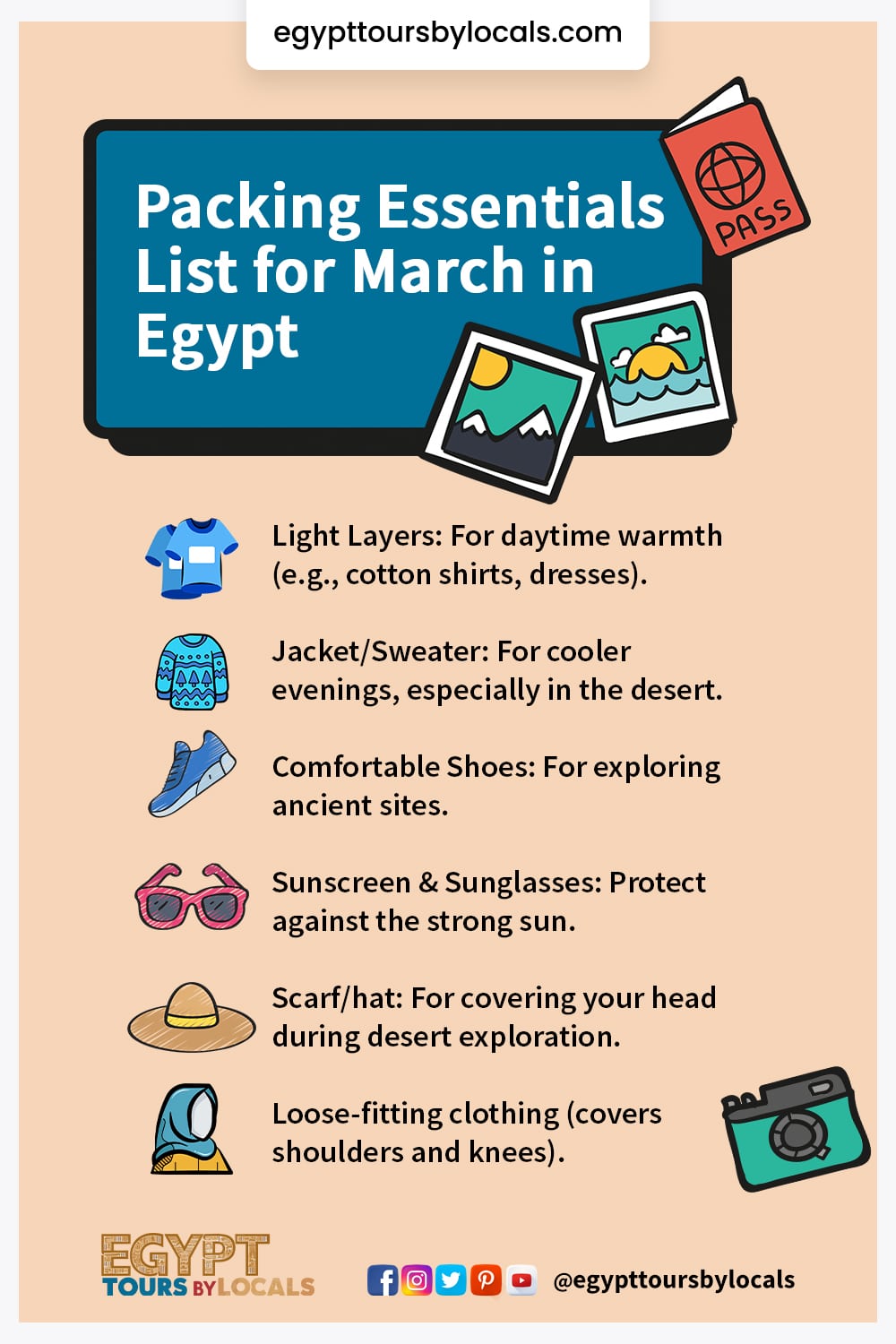
What to Pack for Egypt (3 Days in Cairo)
Packing for Cairo is easy if you focus on comfort and sun protection.
Cairo packing checklist:
- Lightweight breathable clothing (modest + comfortable)
- Comfortable walking shoes (uneven paths at pyramids and Old Cairo)
- Sun essentials: hat, sunglasses, sunscreen
- Reusable water bottle + electrolytes (especially in summer)
- Power bank (you’ll use your phone a lot)
- Hand sanitizer + tissues (very handy around the city)
Don’t miss to check out our ultimate guide about What to wear and Pack for Egypt during your Visit
Where to Stay in Cairo for a Perfect 3-Day Trip:
Where you stay changes your experience. Here’s the simple “local guide” breakdown:
Best areas (by travel style):
- Downtown / Nile-side (central + convenient): Great for first-timers, couples, and food lovers
- Giza (close to the pyramids): Perfect if pyramids are your top priority and you want early access
- Old Cairo / Islamic Cairo edges (historic feel): For travelers who love atmosphere and culture
- Maadi / leafy neighborhoods (quieter): Great for longer stays or travelers who want calmer evenings
Local booking tip:
- If you’re visiting during peak season (winter holidays and spring), book earlier — the best-located hotels fill up fast.
FAQs About This Egypt Itinerary 3 Days (Cairo Base)
These are the questions I hear most often from American travelers planning a short Cairo trip — and they also match what people commonly search (and what shows up in “People Also Ask”).
Is 3 days enough in Cairo?
Yes — 3 days is enough to see Cairo’s big highlights (Giza, key museums, Old Cairo) if you plan by area and start early. You won’t “see everything,” but you’ll absolutely get the best first-timer experience without feeling rushed.
Can I do the Pyramids and the Grand Egyptian Museum in one day?
You can — and it’s a great combo because they’re on the same side of the city. The best approach is:
- Morning: Giza Plateau (cooler, fewer crowds)
- Afternoon: GEM (indoor, easier pace)
- Evening: Khan El Khalili or a relaxing Nile option
What’s the best area to stay in Cairo for first-timers?
For a short trip, most first-timers do best in:
- Downtown / Nile-side (central access + lots of dining)
- Giza if you want pyramids proximity and early starts
If you want the full breakdown by travel style, use your guide: Where to Stay in Cairo
Is Cairo safe for solo travelers?
Generally, yes — especially in major tourist areas. The biggest issues are usually hassle and scams, not violent crime. A few easy tips:
- Use Uber/Careem (avoid taxi negotiations)
- Keep valuables simple (phone/wallet secure)
- If you want a smoother experience at Giza/markets, go with a licensed guide
What should seniors or families do differently on a 3-day Cairo itinerary?
The best adjustment is pacing:
- Add a midday rest on Days 1 and 3
- Use a private driver to reduce walking in heat and save energy
- Prioritize comfort: shade breaks, water, and shorter site loops
What’s the best month to visit Cairo for sightseeing?
Most travelers find October through April the most comfortable for long sightseeing days. Summer is doable, but you’ll want early starts + afternoon museum time.
Conclusion of Egypt Itinerary 3 Days (Cairo-Based Plan)
Cairo is one of those places that stays with you — the first time you see the pyramids, the call to prayer drifting over old streets, the smell of spices in the bazaar, and the feeling that history is still alive here.
With this Egypt Itinerary 3 Days, you’ll experience Cairo’s most unforgettable highlights without trying to cram in too much:
- Day 1: The big icons — Pyramids of Giza, Sphinx, GEM, and an evening in Khan El Khalili
- Day 2: The deeper ancient story — Saqqara, Memphis, Dahshur (quieter, less crowded, and incredibly rewarding)
- Day 3: Cairo’s cultural layers — NMEC (Royal Mummies), the Citadel, and the timeless streets of Old Cairo
If you want to make your 3 days feel even more “Egypt” (not only Cairo), you can also choose a pre-built short adventure like Fayoum Oasis or the White Desert — both are amazing for travelers who want nature and wide-open landscapes.
When you’re ready, we can help you plan a smooth, private experience with local guides who handle the details (traffic, timing, and tickets) so you can focus on the fun part — actually enjoying Egypt.