By Magdy Fattouh — Egypt Tours By Locals | Last Updated: February 2026
Every guide I know has the same experience: a client arrives in Cairo excited about the Pyramids, the temples, the history. They leave talking about the food.
Egyptian cuisine is one of the world’s great undiscovered eating traditions. It is ancient — some of these dishes have been eaten on the banks of the Nile for thousands of years — and it is deeply delicious. It is also almost entirely unknown outside of Egypt, which means every meal is a discovery.
I have been eating my way through Cairo, Luxor, and Alexandria my whole life. What follows is my personal list — the 25 dishes I think every visitor to Egypt should try, with the honest truth about where to find the real versions and what to look for. This is not the sanitised tourist version. This is what we actually eat.
🍽️ Before You Start: A Note on Egyptian Food Culture
Egyptian food is communal, generous, and best eaten sitting down with time to spare. The culture around food here values hospitality above everything — if a local invites you to share a meal, say yes. Don’t eat on the move if you can avoid it. Sit at the table. Order more than you think you need. Share. Most of the dishes below are naturally affordable. Do not let the prices fool you into thinking cheap means low quality — some of Egypt’s finest food costs less than $2 a plate.
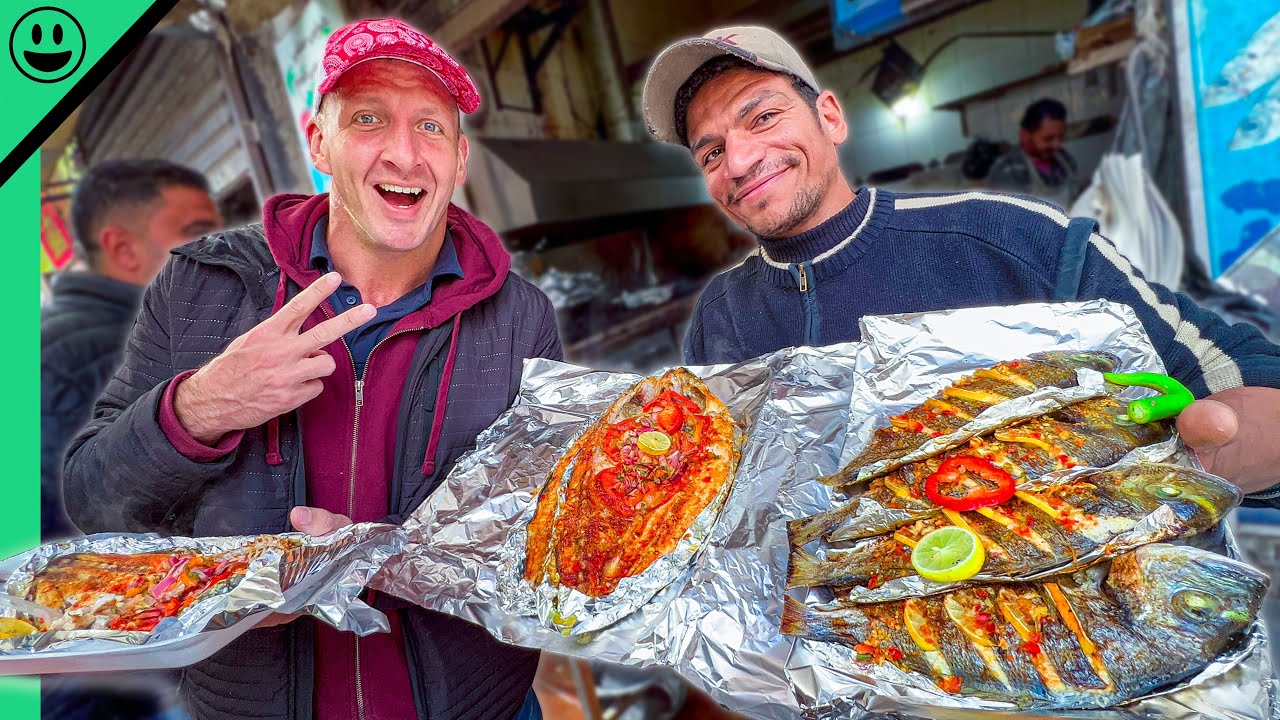
Quick Reference: 25 Egyptian Foods at a Glance
| # | Dish | Arabic | Type | Vegetarian? | Must-Try? |
| 1 | Koshari | كشري | Main dish | ✅ Yes | ⭐⭐⭐⭐⭐ |
| 2 | Ful Medames | فول مدمس | Breakfast | ✅ Yes | ⭐⭐⭐⭐⭐ |
| 3 | Ta’ameya (Egyptian Falafel) | طعمية | Street food / Breakfast | ✅ Yes | ⭐⭐⭐⭐⭐ |
| 4 | Molokhia | ملوخية | Main dish | ✅ (without chicken) | ⭐⭐⭐⭐ |
| 5 | Hawawshi | حواوشي | Street food | ❌ Meat | ⭐⭐⭐⭐⭐ |
| 6 | Kofta | كفتة | Grilled / Main | ❌ Meat | ⭐⭐⭐⭐ |
| 7 | Mahshi | محشي | Main dish | ✅ Can be | ⭐⭐⭐⭐ |
| 8 | Fiteer Meshaltet | فطير مشلتت | Flatbread / Breakfast | ✅ Yes | ⭐⭐⭐⭐⭐ |
| 9 | Shawarma (Egyptian style) | شاورما | Street food | ❌ Meat | ⭐⭐⭐ |
| 10 | Feteer (Savoury) | فطير | Street food | ✅ Yes | ⭐⭐⭐⭐ |
| 11 | Om Ali | أم علي | Dessert | ✅ Yes | ⭐⭐⭐⭐⭐ |
| 12 | Konafa | كنافة | Dessert | ✅ Yes | ⭐⭐⭐⭐⭐ |
| 13 | Basbousa | بسبوسة | Dessert | ✅ Yes | ⭐⭐⭐⭐ |
| 14 | Katayef | قطايف | Ramadan dessert | ✅ Yes | ⭐⭐⭐⭐ |
| 15 | Roz bel Laban | رز بالحليب | Dessert | ✅ Yes | ⭐⭐⭐ |
| 16 | Karkade | كركديه | Drink | ✅ Yes | ⭐⭐⭐⭐⭐ |
| 17 | Sahlab | سحلب | Hot drink | ✅ Yes | ⭐⭐⭐⭐ |
| 18 | Ahwa Masri | قهوة مصري | Coffee | ✅ Yes | ⭐⭐⭐⭐⭐ |
| 19 | Sugarcane Juice | عصير قصب | Fresh juice | ✅ Yes | ⭐⭐⭐⭐ |
| 20 | Tamarind Drink | تمر هندي | Drink | ✅ Yes | ⭐⭐⭐ |
| 21 | Alexandrian Liver Sandwich | كبدة اسكندراني | Street food | ❌ Offal | ⭐⭐⭐⭐ |
| 22 | Fatta | فتة | Celebratory dish | ❌ Meat | ⭐⭐⭐ |
| 23 | Baba Ghanoush | بابا غنوش | Meze / dip | ✅ Yes | ⭐⭐⭐⭐ |
| 24 | Egyptian Bread (Eish Baladi) | عيش بلدي | Staple | ✅ Yes | ⭐⭐⭐⭐ |
| 25 | Macarona Bechamel | مكرونة بشاميل | Baked pasta | ✅ Can be | ⭐⭐⭐ |
The Essential Main Dishes
1. Koshari — كشري
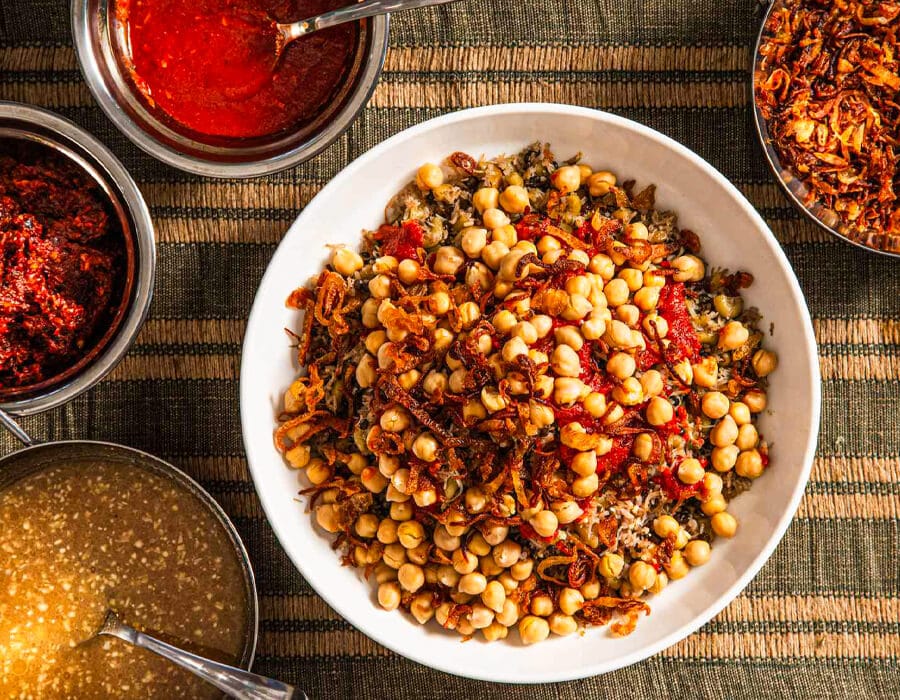
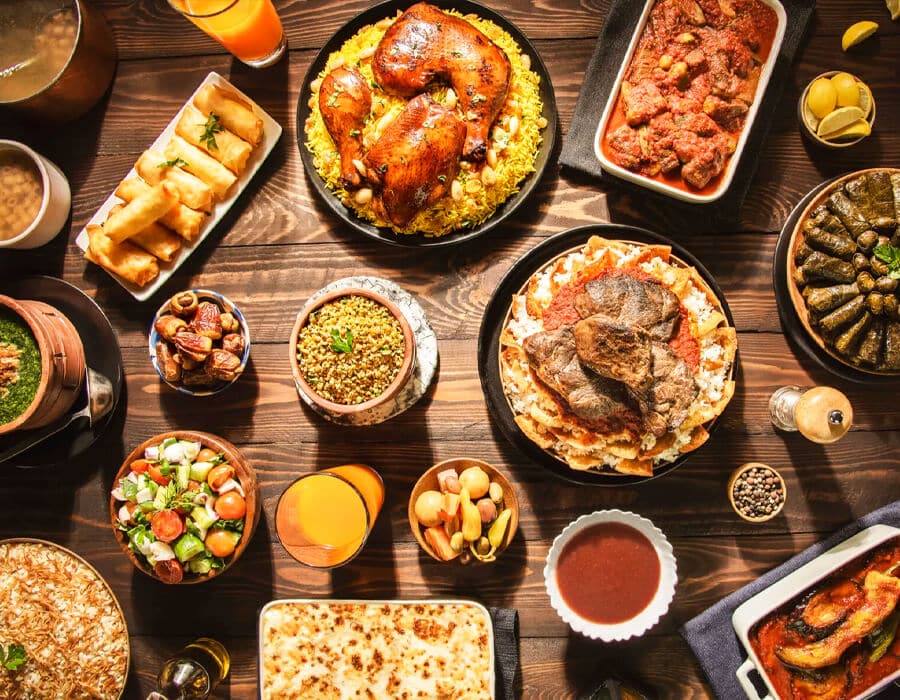
Egypt’s national dish and arguably its greatest culinary achievement. Layers of rice, brown lentils, chickpeas, and pasta topped with a spiced tomato sauce, crispy fried onions, and a sharp garlic-vinegar dressing. It sounds like it shouldn’t work. It is extraordinary. Every Egyptian has a strong opinion about which Koshari shop makes the best version, and those arguments have run for generations.
📍 Where to try: [LOCAL TEAM: Add your specific recommendation — the place you personally eat Koshari and why. Abu Tarek in downtown Cairo is the institution, but your own pick is more valuable. Street, neighborhood, what makes their version different.]
💰 Price: 30–80 EGP ($1–$2.50) at a local shop. Around 200–300 EGP at tourist restaurants.
Vegetarian ✅ | Vegan ✅ | Gluten (pasta) | Available everywhere
2. Ful Medames — فول مدمس
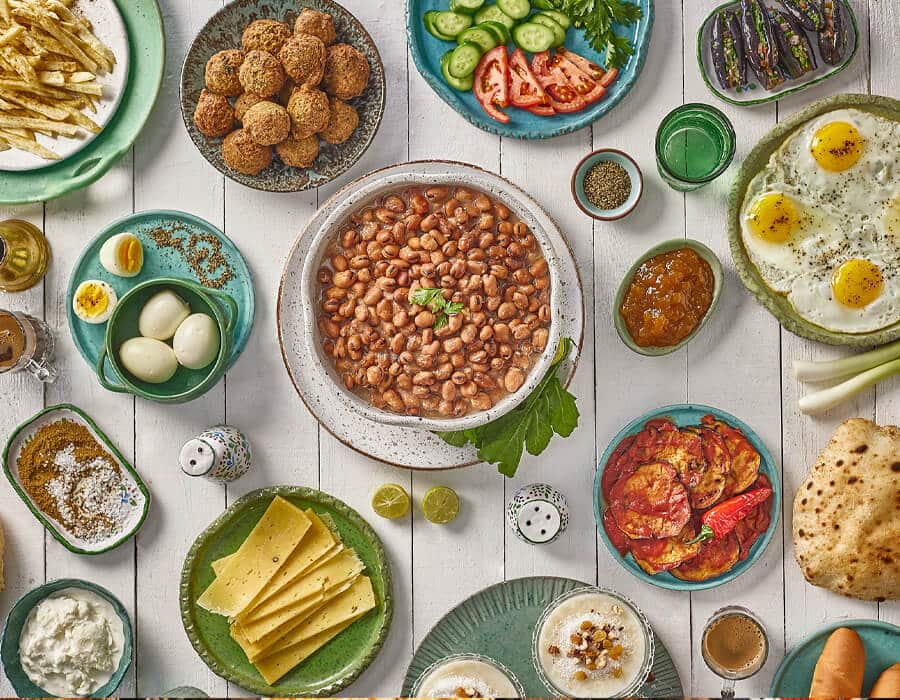
Slow-cooked fava beans seasoned with cumin, lemon, garlic, and olive oil. Egypt’s breakfast staple, eaten by every social class from farmers in the Delta to businessmen in Zamalek. There is a saying in Egypt that the Pyramids were built on Ful — and while that is probably an exaggeration, it captures how foundational this dish is to Egyptian identity. The best versions are cooked overnight in a special narrow-necked pot called a ‘Damasa’.
📍 Where to try: [LOCAL TEAM: Where do you personally eat Ful? A specific street cart, a specific café that’s been there for decades. The address or neighbourhood. What makes their version the best — more cumin? Better olive oil? Served with a specific bread?]
💰 Price: 20–50 EGP ($0.65–$1.60) at local breakfast spots.
Vegetarian ✅ | Vegan ✅ | High protein | Best eaten for breakfast
Check our guides about Egypt Visa
3. Ta’ameya (Egyptian Falafel) — طعمية
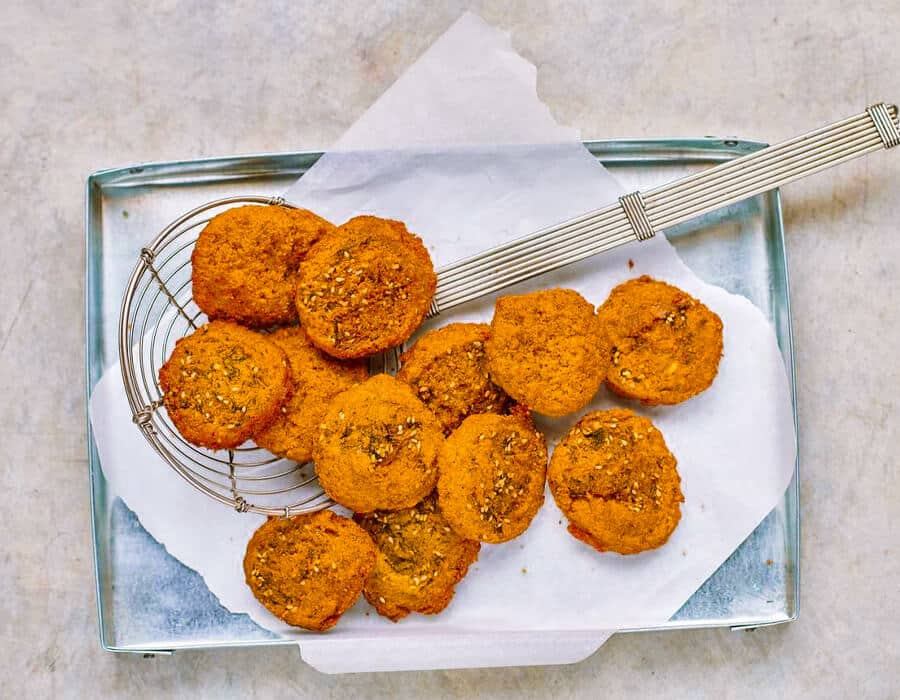
Do not confuse Egyptian Ta’ameya with the chickpea falafel you find elsewhere in the Middle East. Egyptian falafel is made from ground fava beans, fresh herbs, and spring onions — it is greener, more fragrant, and has a completely different flavour profile. Eaten in a sandwich with fresh vegetables and tahini, it is one of the world’s great street foods. The sound of it frying, the smell of the cumin and coriander, the crunch when you bite through the crust — this is Cairo morning.
📍 Where to try: [LOCAL TEAM: Specific street or area in Cairo where the Ta’ameya is exceptional. Note that different Cairo neighbourhoods have different regional styles — any variation worth mentioning?]
💰 Price: 15–30 EGP ($0.50–$1) for a sandwich.
Vegetarian ✅ | Vegan ✅ | Best fresh from the fryer — mornings only at most stalls
4. Molokhia — ملوخية
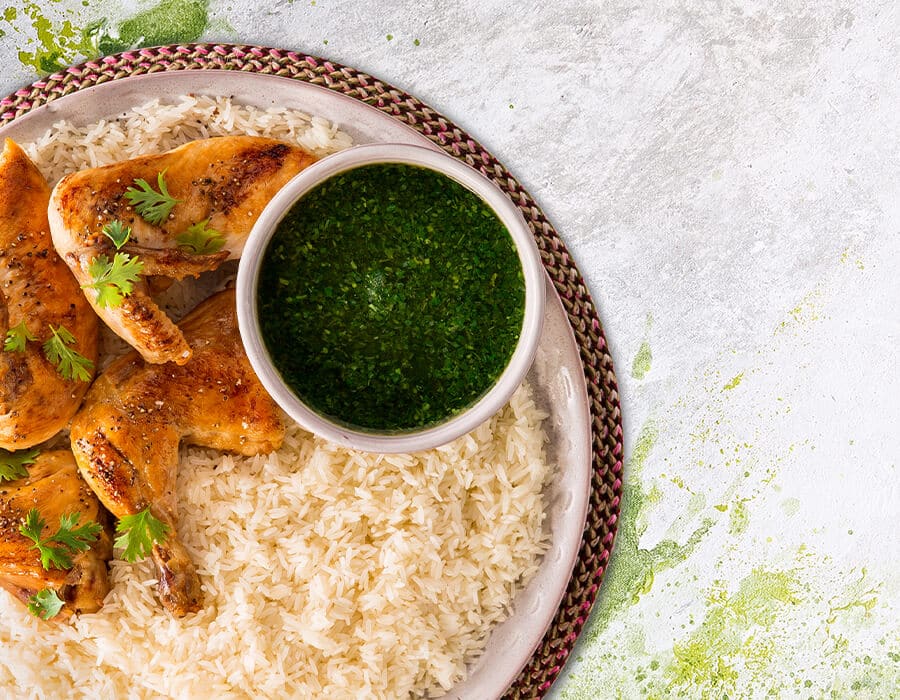
A rich, viscous green soup made from the leaves of the jute plant, cooked with garlic and coriander and served over rice — usually with chicken or rabbit. The texture is unlike anything in Western cooking: silky, slightly gelatinous, intensely savoury. It is an acquired taste that many first-time visitors approach cautiously and many return visitors specifically seek out. Egyptians are deeply proud of Molokhia and have very specific opinions about how it should be made.
📍 Where to try: [LOCAL TEAM: Best Molokhia you’ve eaten — home-cooked or restaurant? Is there a restaurant in Cairo that makes an exceptional version? Any regional variation (Alexandria Molokhia is different from Cairo Molokhia)?]
💰 Price: 80–200 EGP ($2.50–$6.50) at local restaurants.
Vegetarian option available ✅ (without meat) | Best as a home-cooked meal — ask your guide
→ Egypt Trip Cost 2026 (full budget breakdown once your visa is sorted)
5. Hawawshi — حواوشي
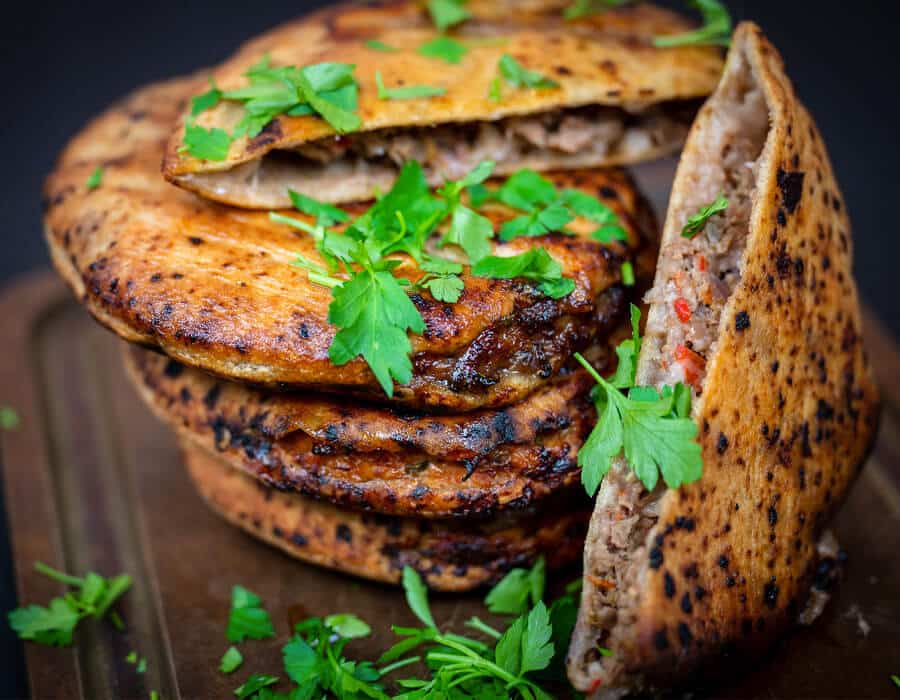
A sandwich of spiced minced meat — usually a mix of beef and lamb with onions, chili, and herbs — stuffed inside Egyptian bread and baked or fried until the crust is shatteringly crisp. It is one of Egypt’s great street foods and deeply satisfying: rich, spiced, slightly smoky from the cooking method. The best Hawawshi comes from bakeries that have been making it the same way for decades.
📍 Where to try: [LOCAL TEAM: Where is the best Hawawshi in Cairo? This is a question every local guide should have a strong answer to. A specific bakery, a specific neighbourhood. What time to go (they often sell out by mid-morning).]
💰 Price: 40–80 EGP ($1.30–$2.60) at a local bakery.
Contains meat ❌ vegetarian | Contains gluten | Best eaten fresh and hot
6. Kofta — كفتة
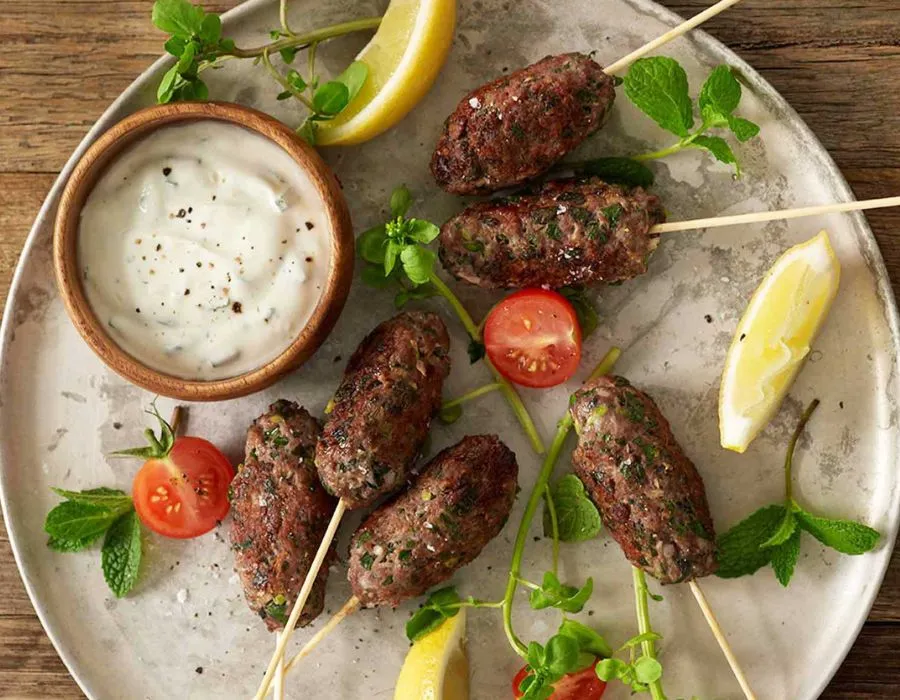
Seasoned minced meat — lamb, beef, or a mix — shaped into long cylinders around a skewer and grilled over charcoal. Simple but extraordinary when done well. Egyptian Kofta uses a distinctive spice blend that varies by cook but typically includes cumin, coriander, cinnamon, and black pepper. Served with flatbread, fresh salad, and tahini. The smell of Kofta on a charcoal grill drifting through a Cairo alley in the evening is one of the city’s defining sensory experiences.
📍 Where to try: [LOCAL TEAM: Best Kofta restaurant or street grill you know. Does it vary significantly by region — is Luxor Kofta different from Cairo? Any specific cuts or preparations worth mentioning?]
💰 Price: 150–350 EGP ($5–$11) for a full portion at a local grill.
Contains meat ❌ | Halal ✅ | Best eaten freshly grilled — look for the charcoal smoke
→ Cairo Shopping Guide (where to spend — and where not to)
7. Mahshi — محشي
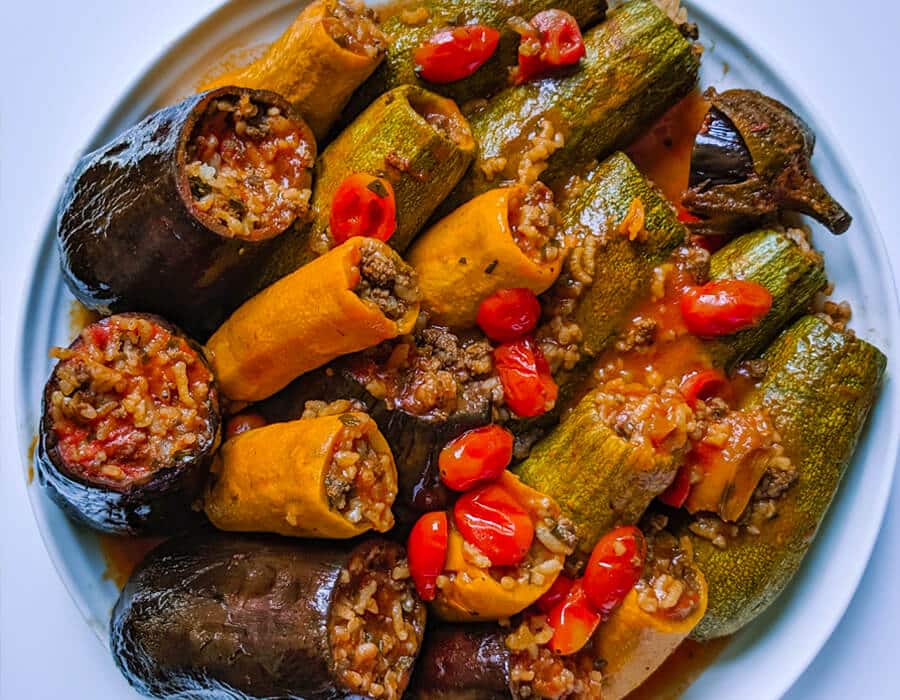
Vegetables — courgettes, aubergines, peppers, vine leaves, tomatoes, cabbage — stuffed with a filling of seasoned rice, herbs, and sometimes minced meat, then simmered slowly until everything has absorbed into each other. Mahshi is one of Egypt’s most labour-intensive dishes and is therefore the ultimate expression of Egyptian hospitality: it says ‘we made this for you, and it took all day.’ The best Mahshi you will eat in Egypt will almost certainly be in someone’s home.
📍 Where to try: [LOCAL TEAM: Any restaurant that does exceptional Mahshi? Or is this best described as a home-cooked dish that tourists should seek through a cooking class or home dining experience? Your honest take.]
💰 Price: 120–280 EGP ($4–$9) at local restaurants.
Vegetarian version available ✅ | Time-intensive dish — often a weekend/celebratory meal
8. Fiteer Meshaltet — فطير مشلتت
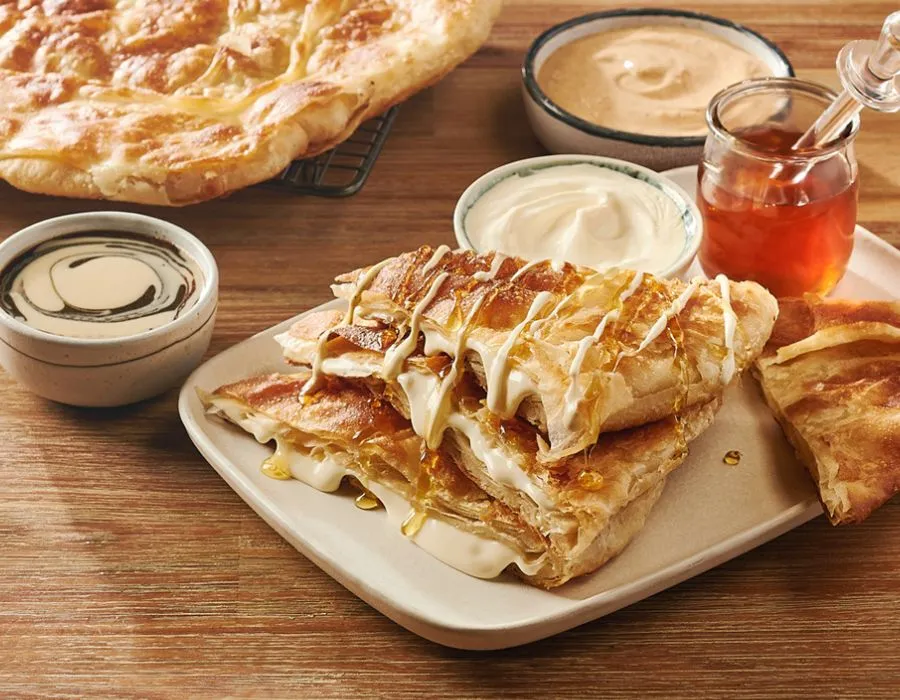
A multi-layered flatbread made by folding butter or ghee into the dough dozens of times to create hundreds of paper-thin flaky layers — the Egyptian answer to croissant pastry, except it is made on a round griddle and has been made this way since the time of the Pharaohs. Eaten sweet (with honey, cream, or jam) or savoury (with minced meat or cheese). Watching a skilled Fatayer maker stretch and fold the dough is one of Cairo’s great street performances.
📍 Where to try: [LOCAL TEAM: Best Fiteer spot in Cairo. Al-Ahram Street in Alexandria is famous for Fiteer — worth mentioning? Any specific filling combination you recommend to tourists?]
💰 Price: 50–150 EGP ($1.60–$5) depending on size and filling.
Vegetarian version available ✅ | Contains gluten | Best eaten fresh off the griddle
→ Egypt Travel Tips (everything else you need to know before you go)
Essential Street Food
Cairo’s streets are one of the world’s great outdoor kitchens. These are the foods that define the city’s daily rhythm — eaten standing up, wrapped in newspaper, on the way somewhere else.
9. Shawarma (Egyptian Style) — شاورما
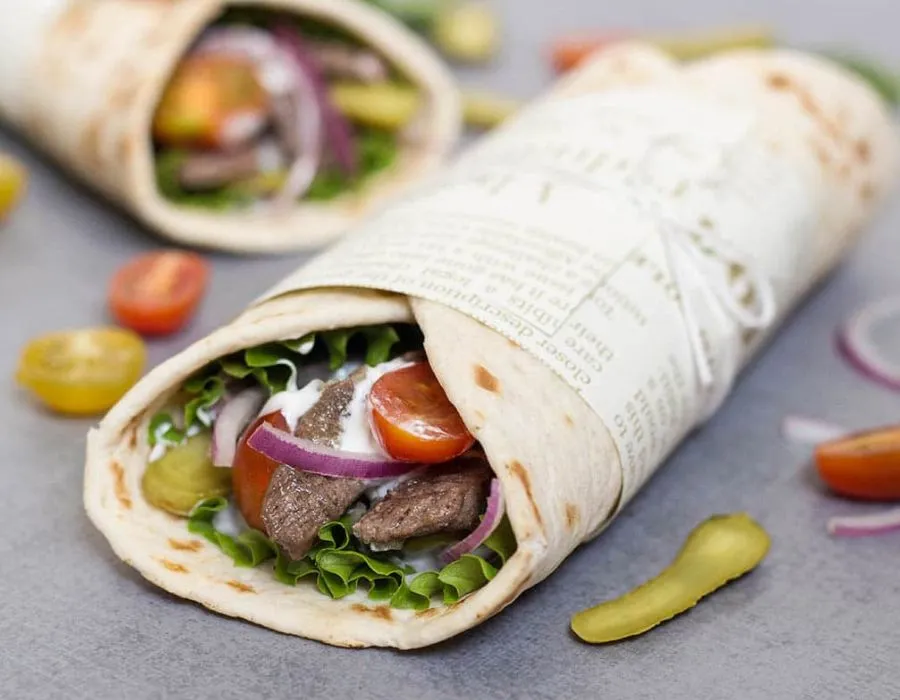
Egypt’s shawarma is different from Lebanese shawarma — the spice blend is earthier, the bread is different (usually Egyptian flatbread rather than thin wrap), and it often comes with pickled vegetables and a tahini-heavy sauce. Not Egypt’s most unique dish — you will find shawarma everywhere in the Middle East — but the Egyptian version has its own character and is worth trying from a good street stall.
📍 Where to try: [LOCAL TEAM: Any specific area in Cairo known for good Shawarma? Downtown? Heliopolis? What distinguishes the Egyptian style from Lebanese in your experience?]
💰 Price: 60–120 EGP ($2–$4) for a sandwich.
Meat ❌ | Halal ✅ | Widely available
10. Alexandrian Liver Sandwich — كبدة اسكندراني
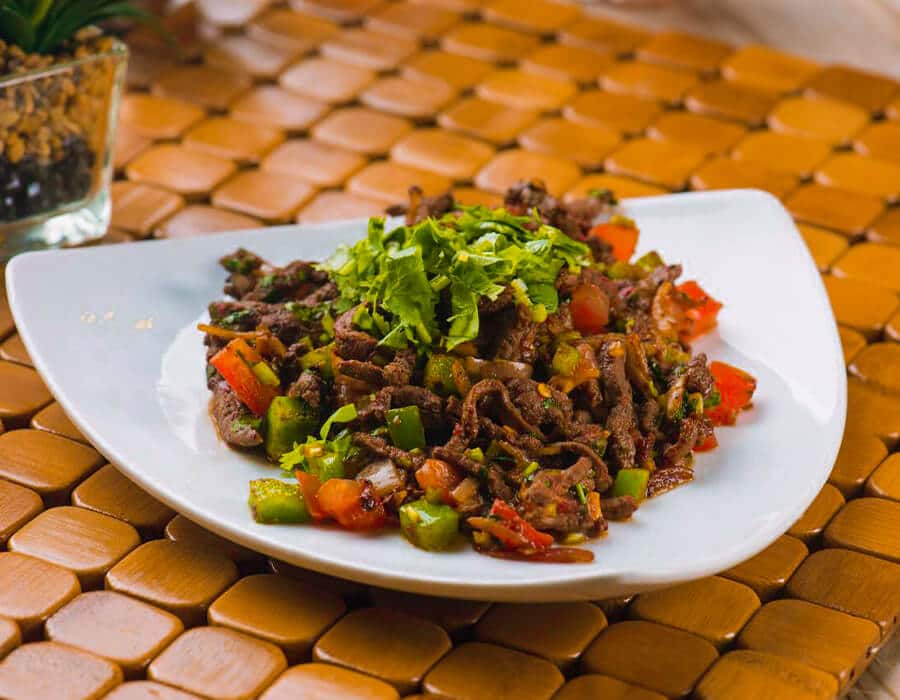
One of Egypt’s most polarising but beloved street foods. Spiced chicken or beef liver, flash-fried at furiously high heat with green peppers, onions, and chili until sizzling and slightly charred, then crammed into a sesame roll. The preparation is spectacular to watch — it takes about 90 seconds from raw liver to finished sandwich. The taste is bold, rich, and deeply spiced. Alexandrians consider it a point of civic pride. Cairo versions have crept north from Alexandria and are now everywhere.
📍 Where to try: [LOCAL TEAM: Best liver sandwich in Cairo? There’s a famous strip of liver sandwich stalls somewhere in most Egyptian cities. Which Cairo neighbourhood has the strip you send tourists to? This is one of the most genuinely authentic street food experiences you can have.]
💰 Price: 30–60 EGP ($1–$2) for a sandwich.
Meat ❌ | Offal — not for everyone | Halal ✅ | Best eaten standing at the stall
Egyptian Desserts: The Sweet Side of the Nile
Egyptian desserts are built around syrup, nuts, cream, and pastry — they are unabashedly sweet and deeply satisfying. The tradition of sweet-making in Egypt is ancient, and several of these desserts are found across the Middle East, but the Egyptian versions have their own character.
11. Om Ali — أم علي
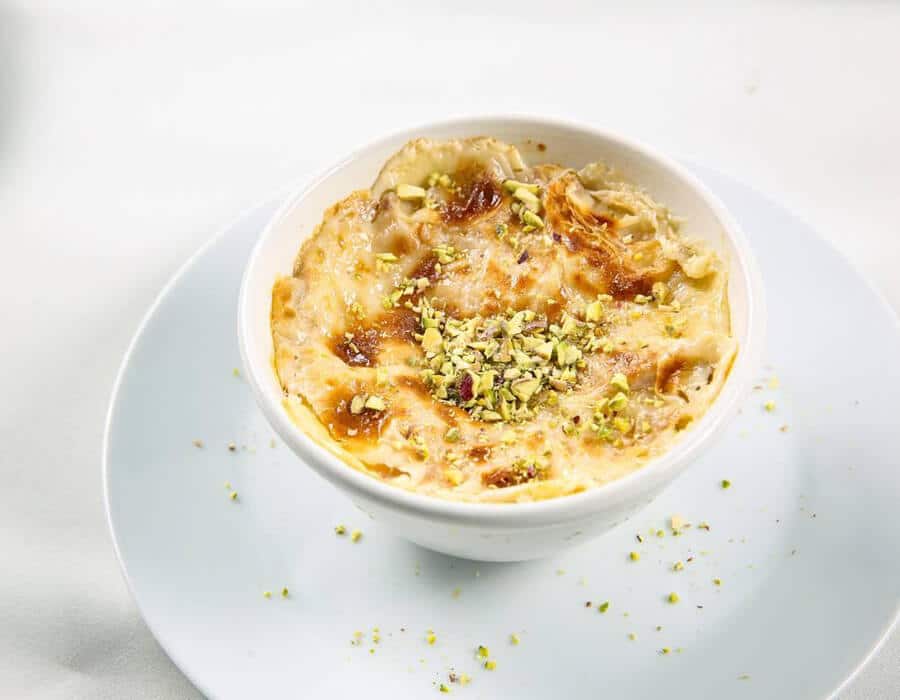
Egypt’s most beloved dessert and one of the great bread puddings of the world. Torn layers of puff pastry or feteer bread soaked in warm sweetened milk, mixed with nuts, coconut, and raisins, then baked until golden and bubbling. It is served hot, in the dish it was baked in, and it is simultaneously comfort food and occasion food. The name means ‘Ali’s mother’ and comes from a medieval legend involving a queen of Egypt — though every Egyptian family has their own version of the story.
📍 Where to try: [LOCAL TEAM: Best Om Ali you have eaten — a restaurant, a bakery, or a recipe your own family makes. Tourists can sometimes order it as a dessert at mid-range Cairo restaurants — any specific recommendations?]
💰 Price: 80–200 EGP ($2.60–$6.50) at restaurants. Much cheaper from bakeries.
Vegetarian ✅ | Contains nuts | Contains dairy | Served hot — best in winter
12. Konafa — كنافة
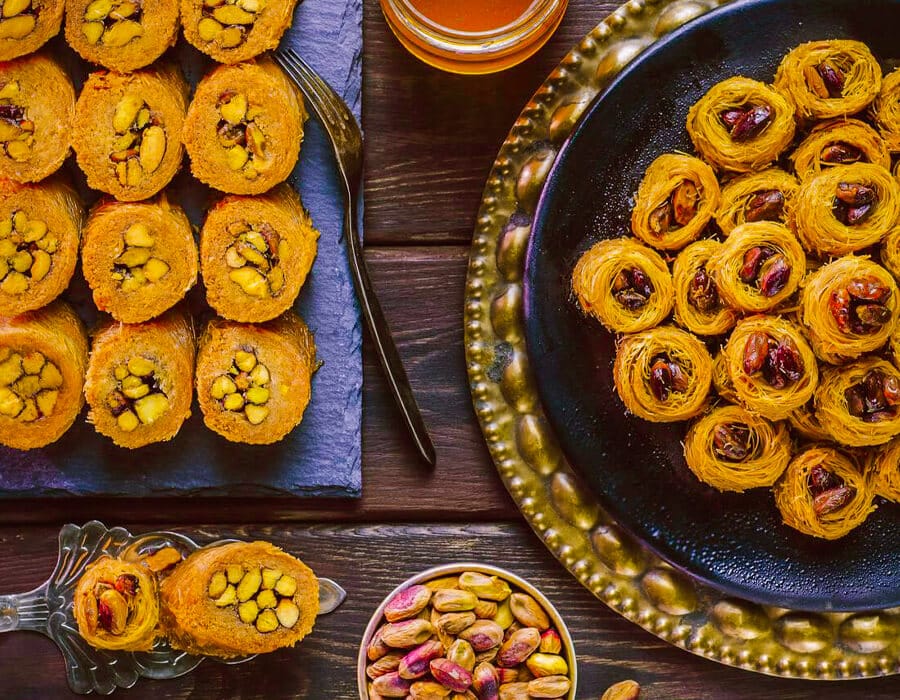
Shredded wheat pastry (or thin vermicelli-like strands called kataifi) filled with sweet white cheese or cream, soaked in sugar syrup infused with rose water or orange blossom, and baked until golden. Konafa exists across the Middle East but the Egyptian version — particularly the cheese-filled variety known as ‘Konafa bel Gebna’ — has a specific character: less sweet than Lebanese versions, with a more pronounced cheese pull and a crispier pastry base. During Ramadan, the best Konafa shops in Cairo have queues that stretch down the street.
📍 Where to try: [LOCAL TEAM: The specific Konafa shop or bakery you send clients to. Cairo has legendary Konafa establishments — which one do your guides personally visit? The neighborhood, the street, the specific variety they make best.]
💰 Price: 100–250 EGP ($3.20–$8) per portion. Ramadan prices may be slightly higher at specialist shops.
Vegetarian ✅ | Contains dairy | Contains gluten | Best warm, straight from the oven
14. Katayef — قطايف
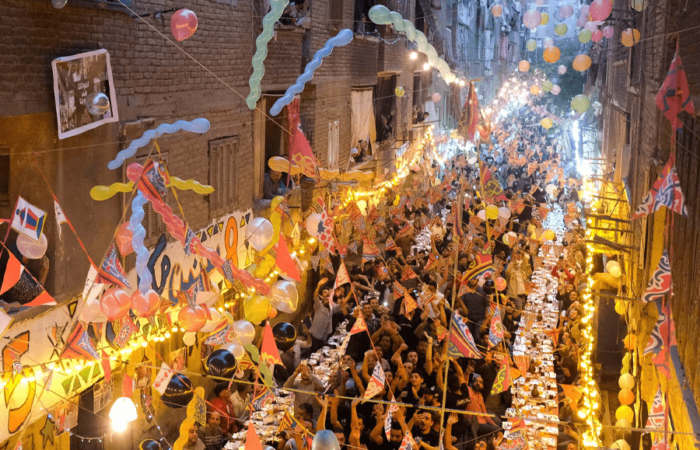
Small folded pancakes, filled with nuts (walnut or pistachio with sugar and cinnamon) or sweet cheese, then fried or baked and dipped in sugar syrup. Katayef appears only during Ramadan — it is genuinely seasonal in a way that almost no food in the Western world is anymore. Walking through Cairo in Ramadan and seeing street vendors making Katayef on small griddles, the filled pancakes piled high in pyramids, the smell of the frying and the syrup — it is one of the great food experiences in this city.
📍 Where to try: [LOCAL TEAM: Where in Cairo can tourists find the best Katayef during Ramadan? Any specific street or market area known for it? This is a Ramadan-only food — make sure readers understand the seasonal angle.]
💰 Price: 50–100 EGP ($1.60–$3.20) for a portion.
Vegetarian ✅ | Ramadan only — not available outside Ramadan | Best fresh and warm
Egyptian Drinks: What to Sip Along the Nile
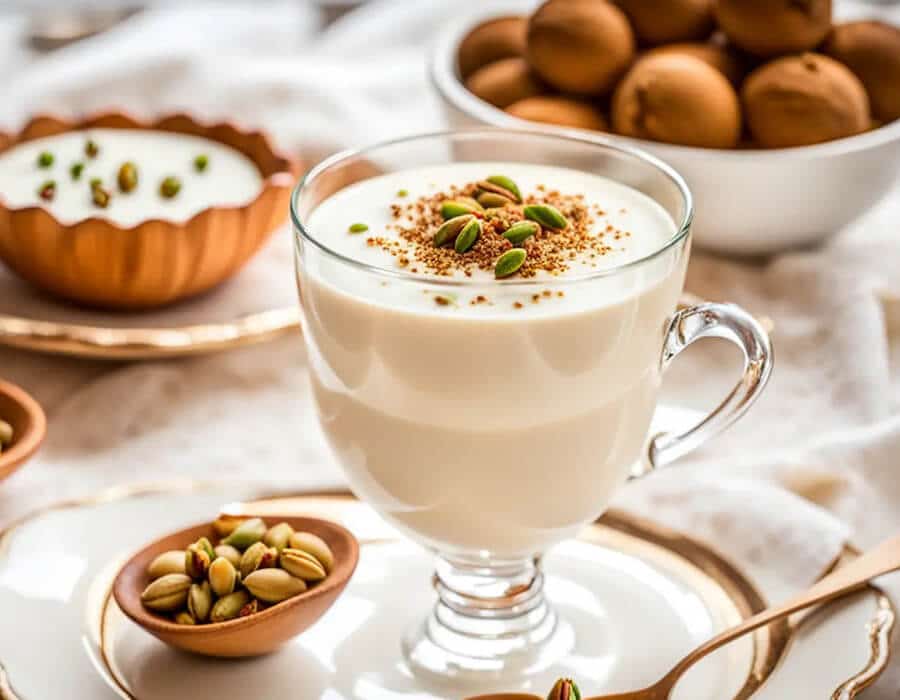
16. Karkade (Hibiscus Tea) — كركديه
Brilliant crimson dried hibiscus flowers steeped in water and sweetened — served hot in winter, over ice in summer. Karkade is one of the great flavours of Egyptian food culture: deeply tart, floral, and refreshing in a way that nothing else replicates. It is also genuinely good for you (high in antioxidants and said to lower blood pressure). Ordering Karkade at a Cairo café is one of the simplest ways to connect with local culture. Every café in Egypt has it. Most hotel buffets have a pale imitation of it. The real thing, made strong and served in a proper glass, is completely different.
📍 Where to try: [LOCAL TEAM: Any specific café or context where Karkade is particularly good — a Nile-view café, a traditional ahwa, a specific presentation style?]
💰 Price: 20–50 EGP ($0.65–$1.60) at local cafés.
Vegan ✅ | Caffeine-free ✅ | Excellent hot or cold
18. Ahwa Masri (Egyptian Coffee) — قهوة مصري
Egyptian coffee is not espresso and it is not filtered coffee. It is ground coffee — medium roast, often with cardamom — boiled directly in water in a small pot (called a ‘kanaka’) and poured into small cups with the grounds settling at the bottom. It is thick, intensely flavoured, and drunk slowly. Ordering an Ahwa at a traditional Cairo café (called a ‘Qahwa’ or ‘Ahwa’) and sitting to watch the street is one of the essential Egyptian experiences. The culture around coffee here is as rich as the drink itself.
📍 Where to try: [LOCAL TEAM: A traditional Ahwa in Cairo that you take clients to. El-Fishawi in Khan el-Khalili is the famous answer — but is there a less touristy spot you prefer? What’s the etiquette for ordering and sitting?]
💰 Price: 15–40 EGP ($0.50–$1.30) at a traditional café.
Vegan ✅ | Contains caffeine | Order ‘Ahwa Mazbouta’ for medium sweet, ‘Ziyada’ for very sweet, ‘Sada’ for no sugar
Food Safety: What to Eat, What to Avoid
This is a question every visitor asks and most guides answer diplomatically. We will be honest.
✅ Generally Safe for Tourists
- Hot, freshly cooked food from busy stalls (high turnover = fresh ingredients)
- Food from restaurants that locals visibly eat at — if Egyptians are eating there, the food is good and safe
- Bottled water and fizzy drinks (always check the seal)
- Cooked vegetables in dishes (ful, molokhia, mahshi — all slow-cooked and safe)
- Fruits you can peel yourself (oranges, bananas, mangoes in season)
⚠️ Approach With Caution
- Raw salads and unpeeled raw vegetables at very cheap local spots — the tap water used to wash them may cause issues for unacclimatised stomachs
- Fresh juice from street vendors — the ice and water used can be an issue, though the juice itself is usually fine
- Seafood outside of coastal cities — Cairo is not a coastal city; fish travels. In Alexandria, the seafood is exceptional.
- Dairy-based desserts left sitting out in summer heat for extended periods
Our honest advice: In 25+ years of guiding tourists through Egypt, we have seen visitors get stomach trouble and we have seen visitors eat absolutely everything from street stalls for two weeks without any issue. The difference is usually: don’t eat at empty restaurants (low turnover), drink bottled water, and let your body acclimatise for the first 24 hours before going all-in on street food. Start with cooked dishes, add raw salads on day 3.
How to Order Like a Local: Arabic Food Phrases

A few Arabic words go a very long way at Egyptian food stalls and restaurants. Local vendors light up when a tourist makes any effort with the language.
| English | Arabic | Phonetic | When to Use |
| One portion please | واحد لو سمحت | Wahid, law samaht | Ordering street food |
| Without spice / mild | بدون حار | Bedoon harr | If you’re sensitive to chili |
| How much? | بكام؟ | Bekam? | Before paying at a stall |
| It’s delicious! | لذيذ جداً | Laziz giddan! | After eating — locals love this |
| Water please | مياه لو سمحت | Mayya, law samaht | At any food stall |
| No sugar (for coffee) | سادة | Sada | Ordering Ahwa without sugar |
| Medium sweet | مظبوط | Mazbouta | Ordering coffee — medium sweet |
| Very sweet | زيادة | Ziyada | If you like it sweet |
| The bill please | الحساب لو سمحت | El-hisab, law samaht | Paying at a restaurant |
| Is this vegetarian? | ده نباتي؟ | Da nabati? | Checking for meat |
Our Local Food Map: Where We Actually Eat
Cairo:
- Best Koshari → Koshary Abou Tarek, Marouf / Qasr El Nil (near Tahrir Square). Five floors dedicated to a single dish — pasta, rice, lentils, chickpeas, tomato sauce, and crispy fried onions. Over 40,000 reviews and counting. The pose photo on the stairs is mandatory.
- Best Ta’ameya / Street Breakfast → Tabali, 26th of July St, Zamalek. Open 24 hours. Go between 7–9am for fresh ta’ameya, foul, and hawawshi before the lunch crowd arrives.
- Best Kofta Grill → Kofta-Kufta, Abd El-Khalik Tharwat St, downtown Cairo. Self-service, pocket-friendly, and reliably busy evenings. Fresh kofta off the grill, zero fuss.
- Best Konafa Bakery → El Abd Patisserie, 25 Talaat Harb St. Cairo’s most beloved sweets institution — the kunafa and basbousa are the moves. Goes very busy after 8pm; visit earlier for the freshest batches.
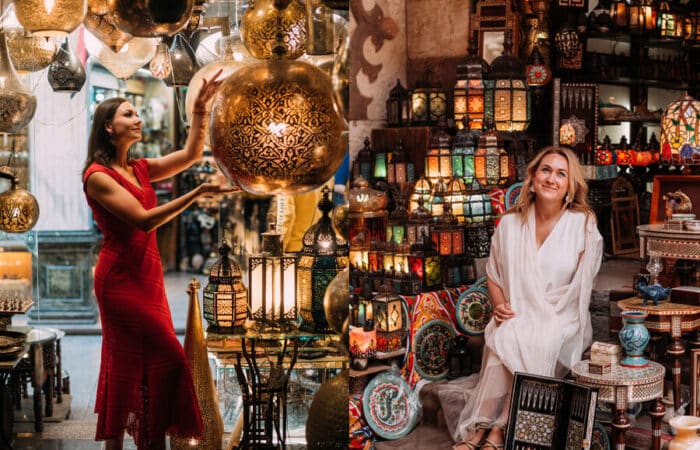
- Traditional Ahwa for clients → El Fishawy Cafe, Khan El Khalili. Two hundred years old, buried in the bazaar alleys, sometimes with live music. Order Turkish coffee or mint tea and let the market come to you. Note: it’s touristy but genuinely atmospheric — locals and visitors both show up.
Luxor:
- Best local restaurant → Al Sahaby Lane Restaurant, Al-Sahaby Street, East Bank near Luxor Temple. Rooftop Nile views, proper Egyptian tagines, and a camel dish that draws repeat visitors. Go at sunset — the view over the temple is the reason.
- Street food to try → Look for feteer meshaltet (layered pastry, sweet or savoury) from street vendors near the souq, and sugarcane juice pressed fresh on the street — Upper Egypt specialties you won’t find as easily in Cairo.
Aswan:
- Best Nubian food experience → Nubian Dreams Restaurant & Cafe, Elephantine Island. Take the public ferry across. Nubian tagine, camel meat, distinctly different spicing from Cairo Egyptian food. Zero-pressure, family-run, with Nile views. Highly recommended by everyone who finds it.
- Best Nile-view café for Karkade or Ahwa → Kafana Guesthouse Nile View, Elephantine Island. Sit on the terrace with a glass of karkade (hibiscus tea) as the feluccas pass. As local as it gets in Aswan.
Alexandria:
- Best seafood → Branzino, Al Azaritah / Shatebi (Mediterranean waterfront). Pick your fish fresh from the counter and tell them how you want it cooked. Calamari and shrimp are the crowd favourites. Views of the sea from your table.
- Alexandrian liver sandwich → Kebda El Falah, 5 Sharm Al Sheikh St, Al Attarin. The OG. Alexandrian-style liver with green peppers and spices in a fresh roll — squeeze of lime on top. Most seating spills onto the street. That’s the whole point.
Frequently Asked Questions
Is Egyptian food spicy?
Egyptian food uses a wide range of spices — cumin, coriander, cinnamon, cardamom, turmeric — but is generally not hot-spicy in the chili sense. Most dishes are flavourful and aromatic rather than fiery. The exception is some street food dishes (like the Alexandrian liver sandwich) which can be quite hot. If you are sensitive to chili, say ‘bedoon harr’ (without spice) when ordering — vendors are always accommodating.
Is it safe to eat street food in Egypt?
Yes, with reasonable caution. Choose stalls with high turnover — the food should be visibly busy and freshly cooked. Hot food is generally very safe. Start with cooked dishes (Koshari, Ta’ameya, Ful) before moving to raw salads. Drink bottled water. In our experience guiding thousands of visitors through Egypt, most stomach issues come from overeating rich food on day one, not from food safety problems.
What do Egyptians eat for breakfast?
The traditional Egyptian breakfast is one of the great breakfasts of the world: Ful Medames (fava beans), Ta’ameya (falafel), white cheese, olives, sliced tomato and cucumber, Eish Baladi (flatbread), and strong tea. It is eaten communally, slowly, and with great seriousness. If your hotel offers an Egyptian breakfast option, take it. If you have the chance to eat breakfast at a local café rather than the hotel, even better.
Is Egyptian food vegetarian-friendly?
Egypt is genuinely one of the best countries in the Middle East for vegetarian travel. Ful Medames, Ta’ameya, Koshari, Fiteer, Molokhia (without meat), Mahshi (rice-stuffed vegetables), and almost all Egyptian desserts are naturally vegetarian. Vegan travellers will find the cuisine very accommodating — many traditional dishes use no animal products at all beyond occasional butter or ghee. Tell your guide and they will steer you toward the best vegetarian options at every meal.
What is Egypt’s national dish?
Koshari is widely considered Egypt’s national dish — a uniquely Egyptian combination of rice, lentils, chickpeas, pasta, and crispy onions with spiced tomato sauce. It is eaten across all social classes, sold on street corners and in dedicated restaurants, and is a source of genuine Egyptian cultural pride. If you eat one dish in Egypt, make it Koshari.
🔗 Explore More Egyptian Food & Culture:
→ Visiting Khan el-Khalili Market (where to shop for spices, sweets, and street food)
→ Ramadan in Egypt (the special foods that only appear during the holy month)
→ Best Restaurants in Cairo (our full restaurant guide)