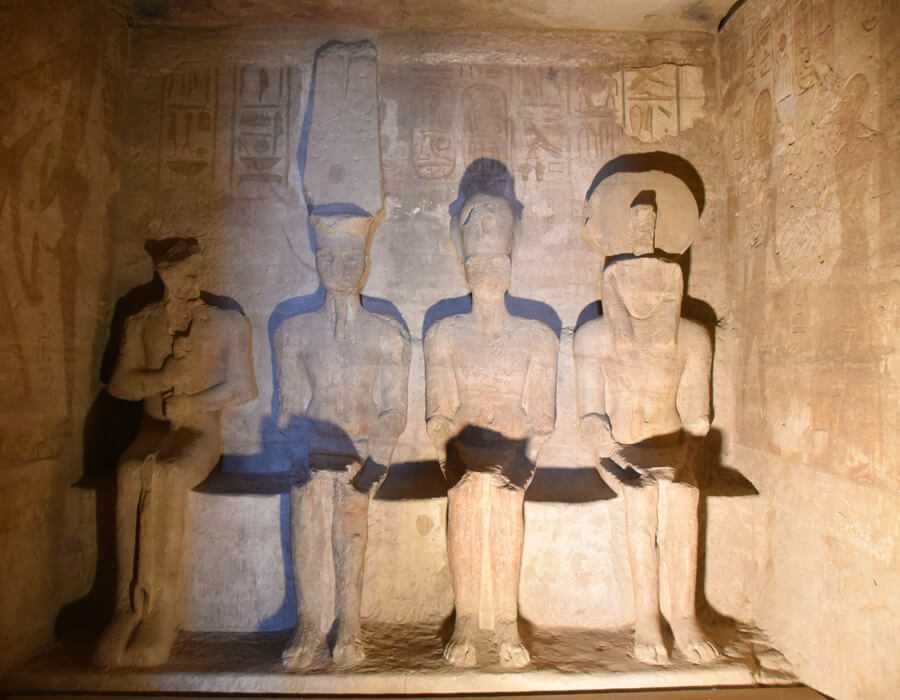
What if a single shaft of light could rewrite how you remember ancient Egypt? This guide shows you how to witness that exact moment—one of the most extraordinary sights often included in cultural Egypt tour packages focused on rare historical phenomena.
Written from first-hand experience, it explains the Abu Simbel Sun Festival, which takes place every year on February 22 and October 22. At sunrise, light reaches deep into the temple to illuminate Amun, Ra-Horakhty, and Ramses II, while Ptah remains in shadow. And if you want to plan it precisely around your dates and pace, you can always build your own Egypt package to catch this once-in-a-lifetime alignment the right way.
The temples were moved in the 1960s into an artificial hill to save them from the Aswan High Dam—an engineering story that makes the event even more dramatic. I’ll walk you through what happens, the time the light appears, and simple routes from Cairo, Luxor, Hurghada, Marsa Alam, and Aswan, so you don’t miss the moment after traveling all this way to Abu Simbel.
Expect clear costs, crowd-beating tactics, low-light photography tips, and small but vital packing notes. If you prefer to leave planning to a trusted local, Egypt Tours by Locals can time your entry, transfers, and guide around the alignment window.
Key Takeaways
- The event occurs annually on Feb 22 and Oct 22—plan for pre-dawn timing.
- Sunlight lights three inner statues; Ptah stays in shadow—an unforgettable sight.
- I cover travel routes from major hubs, practical costs, and what to pack.
- Find crowd tips, camera angles for low light, and accessibility notes.
- Temples were relocated in the 1960s to save them from flooding—adds modern context.
- Egypt Tours by Locals can organize transfers and timed entry if you want help.
Abu Simbel Sun Festival: What It Is and Why It’s Unmissable

At two precise mornings each year, a single shaft of light finds its way into the heart of the temple. Twice—on February 22 and October 22—the corridor directs dawn so it lands squarely on three seated statues: Amun, Ra‑Horakhty, and Ramses II. Ptah stays in darkness, which makes the moment feel deliberate and eerie.
The precision is astonishing. Ancient builders set this alignment to honor gods and the king, and standing there as faces brighten gives you goosebumps. It’s brief—just minutes—so planning matters if you want to catch it.
- Expect a spine-tingling payoff when light hits stone; the effect is immediate and emotional.
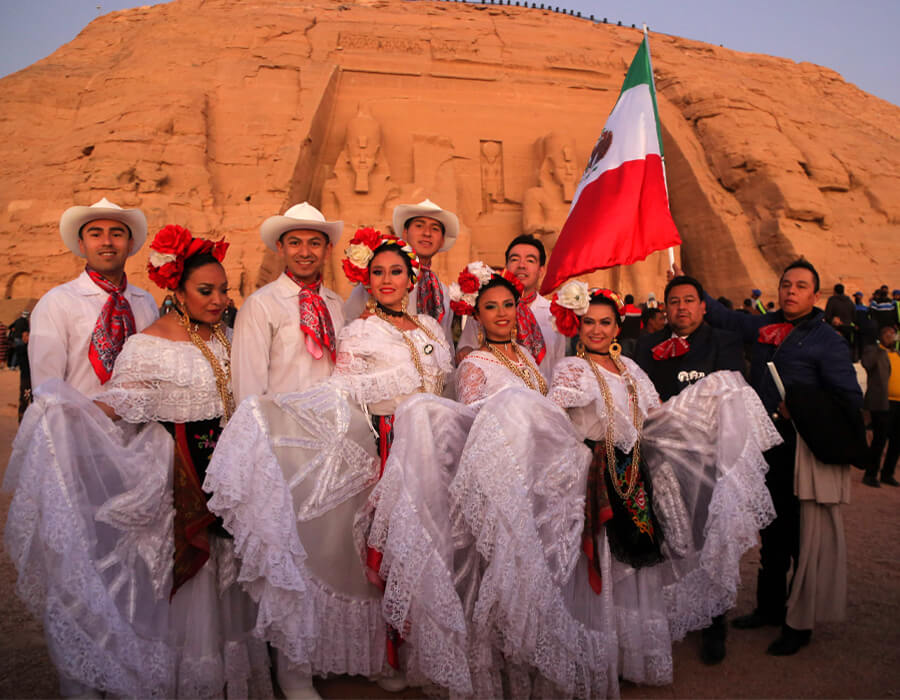
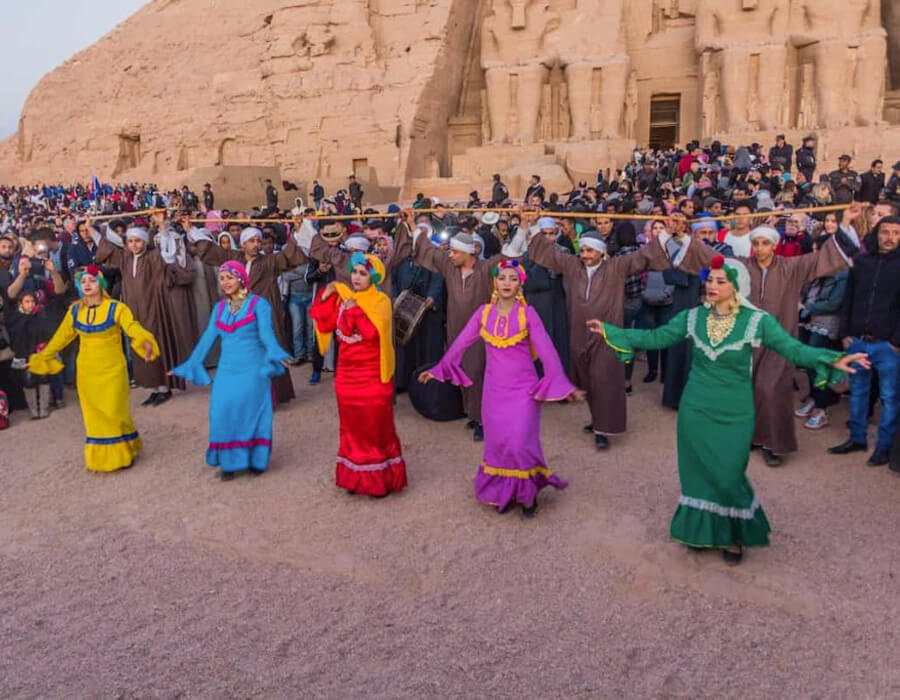
- After the alignment, lively Nubian music and dancing often welcome visitors—an uplifting cultural encore.
- The neighboring, smaller temple for Nefertari and Hathor provides a softer, intimate contrast to the main spectacle.
- If the crowd feels daunting, Egypt Tours by Locals can position you near the sanctuary queue for timely entry.
You don’t need technical knowledge to enjoy this—just arrive early, know the sequence, and be ready to witness how engineering, ritual, and art converge in a single morning moment.
Key Dates and Exact Timing for Future Festivals
Plan to arrive long before dawn so you don’t miss the exact beam of light that animates the inner statues.
Mark the dates: February 22 and October 22 each year are fixed. The actual illumination occurs shortly after sunrise, so expect a tight window of minutes when the chamber and its statues catch the light.
- Be on-site 60–90 minutes early for tickets, security checks, and the best vantage point.
- Small timing shifts happen due to axial precession and the 1960s relocation—so don’t plan to arrive “right on time.”
- Festival mornings draw big crowds; weekdays do not reduce the rush much.
- February dawns are chilly; October is milder. Bring layers and allow time for bathrooms and the walk from the parking.
- If you travel overland from Aswan or leave a Nile mooring, schedule departures in the very early hours and confirm gate times the day before.
| Date | Typical illumination | Recommended arrival | Weather note |
| Feb 22 | Shortly after sunrise, the inner chamber lights | 60–90 minutes before sunrise | Cold plateau dawn; dress warmly |
| Oct 22 | Shortly after sunrise, the inner chamber lights | 60–90 minutes before sunrise | Milder morning; still cool |
| Notes | Minute shifts possible | Leave a buffer for logistics | Confirm entry time the afternoon prior |
I use this checklist when I guide guests: confirm entry time, arrive early, and expect the moment to last only minutes. Travel smart and you’ll see the alignment, not just the crowd.
A Brief History of the Temples of Abu Simbel
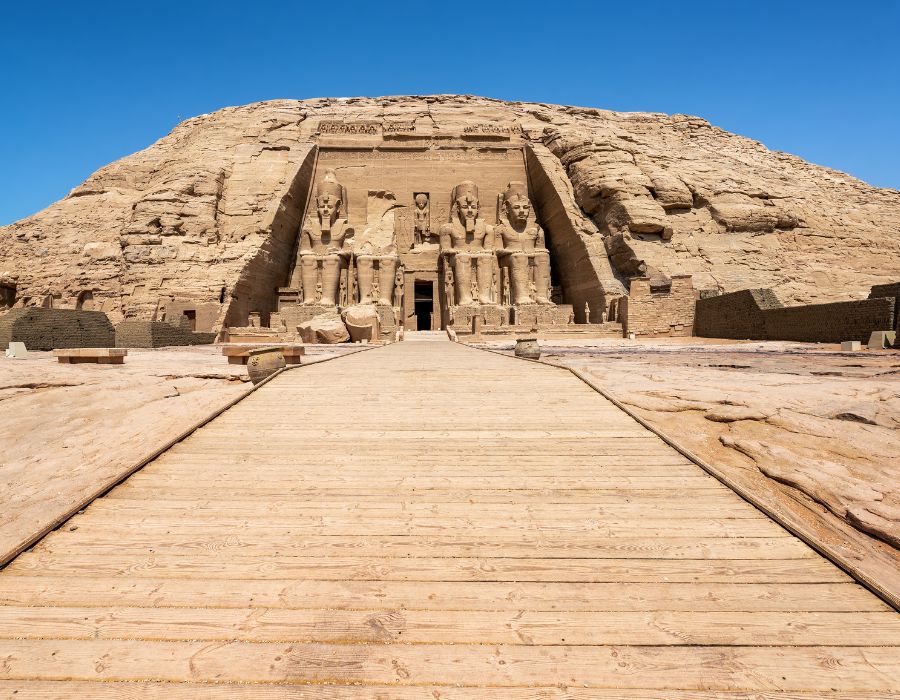
Carved into a Nubian cliff, the two temples announce Ramses II’s power in stone and light. Built in the 13th century BC, they mark the pharaoh’s military fame and religious reach.
The grand complex includes a larger rock-cut temple to Ramses and a smaller, elegant temple for his wife, dedicated to Hathor and Nefertari. The Great Temple’s facade is guarded by four colossal seated statues that broadcast authority to the world.
Inside, reliefs recount the Battle of Kadesh—dramatic scenes meant to cement victory and divine favor. Small carved figures at the colossi’s feet tell the royal family story in miniature.
- The smaller Simbel temple reads like a public love letter: Nefertari appears nearly equal to the king.
- The sanctuary houses four seated deities—Amun, Ra‑Horakhty, Ptah, and the deified Ramses—central to the alignment event.
- These monuments functioned both as propaganda and as pilgrimage sites in ancient Egypt.
Discover the best places to visit in Egypt during summer and enjoy the country’s warm season like a local.
| Temple | Dedication | Notable Feature |
| Great Temple | Ramses II & gods | Four colossal seated figures, Kadesh reliefs |
| Smaller Temple | Nefertari & Hathor | Prominent queen depictions |
| Visitor tip | Contextual tour | Ask for a brief pre-dawn talk to set the scene |
Relocation and Preservation: How the Temples Survived
In the 1960s, an international rescue operation rewrote the future of these stone monuments. Rising waters from the Aswan High Dam threatened the complex, so engineers cut the rock into blocks and moved the structures to higher ground.
The relocation finished in 1968 and remains one of the great conservation feats of the 20th century. The project preserved the temples and kept the axial concept intact so the annual Simbel sun festival could continue as an event that visitors still chase.
Shifting the site slightly changed the light path. That tweak explains why the alignment minute can drift over decades. Inside the sanctuary, the three seated statues still catch dawn while Ptah stays in comparative darkness—an effect that feels both ancient and renewed.
- Blocks were reassembled on an artificial hill that blends with the desert.
- Look closely after the alignment and you’ll see seams and joints—quiet signatures of the move.
- The rescue shows that world heritage survives when people choose to act.
| Year | Action | Result |
| 1960s | Survey & cutting | Safe transport of blocks |
| 1968 | Reassembly on the artificial hill | Temple preserved; alignment retained |
| Today | Visitor experience | Same heart‑lifting moment; visible restoration marks |
I often point these details out on a tour so you can appreciate both the ancient skill and the modern ingenuity that saved the site. Seeing the seams after the alignment makes the story feel real—and keeps the moment with you long after you leave.
How to Get to Abu Simbel from Major Gateways
A smooth trip starts with picking the right base and allowing buffer time for the early-morning transfer. I’ll keep this simple—pick your route, sleep near Aswan when needed, and allow extra time for gates and security.
From Cairo: fly to Aswan the day before, then take a pre-dawn 3–4 hour drive to Abu Simbel. Arrive early to secure a good spot.
From Luxor: travel by train or road to Aswan and overnight. Pushing the whole Luxor Abu Simbel run on festival day is exhausting—don’t do it.
From Hurghada: drive to Luxor, connect by train to Aswan, then continue by car. Allow generous connection windows for delays.
- Marsa Alam: drive to Aswan and plan to sleep there—waking at 2–3 a.m. is much easier.
- From Aswan: the shortest option—expect about 3 hours each way; traffic on event mornings can add time.
| Departure | Key tip | Travel time |
| Cairo | Fly to Aswan; overnight | Flight + 3–4 hr drive |
| Luxor | Overnight in Aswan is recommended | Train/road + 3–4 hr drive |
| Aswan | Same‑day drive possible | About 3 hrs each way |
Check fuel, snacks, and rest stops—services are sparse between Aswan and the site in the early hours. Confirm opening and entrance times and bring cash for tickets. If you want help timing transfers, a private tour driver familiar with the route can save stress and minutes.
If you’re wondering when is the best time to visit Egypt, our guide helps you plan your trip around the weather and festivals.
Nile Cruise or Overland? Choosing the Right Trip Style
Deciding between a river journey or a road dash changes how you’ll experience the alignment morning. I love both options, and each suits different travelers.
Nile cruise: You unpack once and float between Luxor and Aswan, enjoying curated stops at major attractions. Cruises give steady rest and built‑in service, but you still take an overland transfer to reach the Abu Simbel alignment on the morning itself.
Overland: Leaving from Aswan by private car gives full control of departure time. That agility matters when minutes of dawn determine your view. If you need extra photography time or want to pivot for early gates, overland wins.
- Cruses work best if you have 3–4 days and want relaxed sightseeing along the Luxor Aswan stretch.
- Overland trips are better for tight itineraries or when time is critical.
- Sleep matters: cruise cabins offer consistent rest; repeated road dashes mean very early starts.
- Budget: factor in the added cost of the Abu Simbel leg, whether you cruise or drive.
- I often recommend locking transfers with your shore excursion team early—or hiring a private transfer for precise timing.
If you want both comfort and timing precision, I suggest combining the two. Egypt Tours by Locals can pair cruise comfort with a timed private transfer so you get the best of both worlds.
Sample Festival Itineraries You Can Steal
Here are simple, copyable itineraries that keep timing tight and comfort high.
Aswan lightning run (1 day) — 2:00–2:30 a.m. pickup, 3-hour drive, pre-dawn entry, alignment moment, slow walk-through, Nubian performances, back to Aswan by late afternoon.
Luxor overnight (2 days) — morning transfer to Aswan, rest and check-in. Early 2:00 a.m. departure for Abu Simbel, festival viewing, brunch in Aswan, optional Philae visit, evening return or extra night. This trip to Abu Simbel balances rest and the big morning.
- Red Sea combo (2–3 days) — Hurghada to Luxor by road, train to Aswan, overnight; festival morning at Abu Simbel, felucca at sunset, return next day.
- Grand loop (3–4 days) — Luxor temple day; Aswan highlights day; festival day at Abu Simbel; buffer day for markets.
- Photography-first — arrive at the gate at opening, sanctuary first, then shoot the hypostyle as crowds shift.
For families, base two nights in Aswan to allow naps and shorter transfers. If you’re short on days, skip add-ons on festival morning and save Philae for later.
| Itinerary | Pickup | Highlights | Why pick it |
| Aswan lightning run | 2:00–2:30 a.m. | Pre-dawn entry, alignment, local music | Fast, focused day trip |
| Luxor overnight | Morning to Aswan; 2:00 a.m. departure | Rest, festival, Philae option | Balanced comfort + timing |
| Red Sea combo | Depends on the route | Festival + seaside leisure | Combines diving or beach time |
Pre-book tickets and transport—this morning, spare time means seeing the beam, not waiting in line. I can tailor any plan as your guide and planner through Egypt Tours by Locals to match pace, camera needs, and must-sees.
If you’re visiting solo, here’s everything you need to know about traveling alone in Egypt.
Best Places to Stand and Photograph the Alignment
Where you stand will decide whether you get goosebumps—or just a photo of someone’s head. Aim for the sanctuary if you want the beam itself. Lines form along the main axis early, so arrive ready to queue.
If you miss the chamber, move into the hypostyle hall and shoot toward the glow. Silhouettes there look dramatic, and avoid the crush near the entrance.
After the moment, step outside to photograph the facade as the morning softens the stone. The first light brings out texture on the colossi—these shots often top visitors’ galleries.
- Low-light tips: raise ISO, brace against a column, and favor a fast prime—tripods may be restricted, and space is tight.
- Etiquette: respect lines, keep noise down, and avoid flash. One step forward can ruin the view for many.
- Gear plan: pre-set a second body for exterior shots and practice a few compositions outside before dawn.
- Local help: a trusted guide can negotiate fair entry timing so you get a real chance at the sanctuary view.
| Spot | Best shot | When to use |
| Sanctuary | Beam hitting statues | For the alignment itself, arrive early |
| Hypostyle hall | Silhouettes toward the glow | If the sanctuary is full, it offers dramatic portraits |
| Temple facade | Colossi textures at first light | Immediately after alignment |
Beating the Crowds: Arrival Strategy and Entry Tips
Getting the best view starts long before sunrise—timing is everything. Plan to arrive well before first light. Security checks, ticketing, and the walk to the entrance can eat up 30–45 minutes.
Put restrooms first. Rejoining the queue costs precious minutes on a festival day. Keep your bag slim to speed screening—camera, water, small day essentials only.
- Sequence: sanctuary first, then the hypostyle details, then the facade, and the Nubian shows outside.
- Carry small bills—card machines get slow or fail when many visitors arrive.
- Agree on a clear meeting point in case you get separated in the shuffle.
- Don’t linger at the first carvings—move toward the sanctuary and circle back after the beam fades.
If you miss the main chamber, relax—exterior light on the colossi is beautiful and less crowded later. A well-timed private transfer or reliable tour service cuts stress; experienced drivers know the right departure time from Aswan.
| When to Arrive | Key Tip | Benefit |
| 60–90 min before sunrise | Security & ticketing first | Best chance at sanctuary |
| Immediately after the beam | Move to the facade | Quieter photos, richer tones |
| If late | Use exterior shots | Less crowd, great portraits |
What to Pack and Wear for the Desert Morning Chill
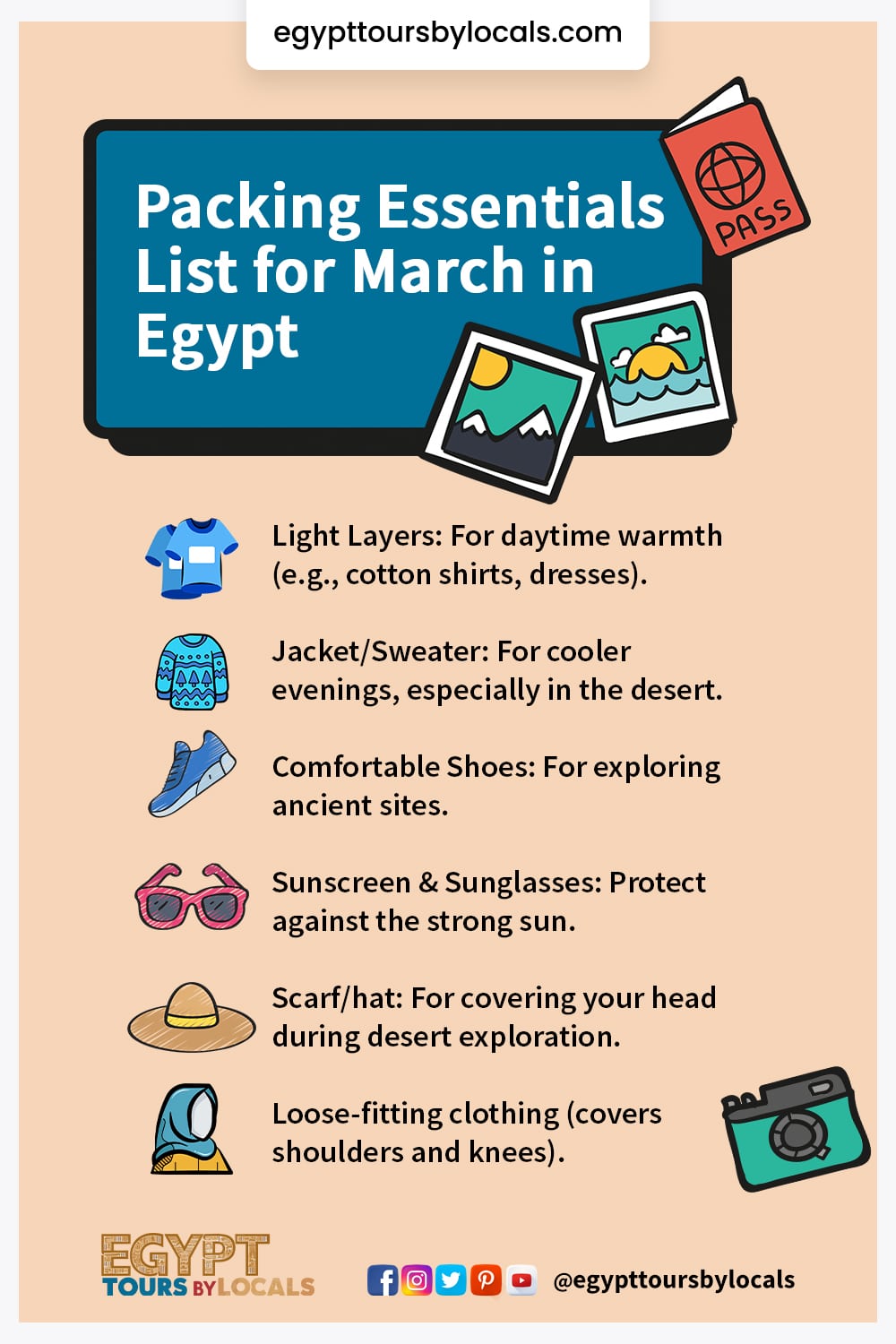
Pack smart and you’ll stay warm before dawn and comfortable once the desert heats up. I always layer: a lightweight base, a warm mid-layer, and a thin shell you can remove as the sun climbs over Abu Simbel.
Footwear matters. Closed-toe shoes with good grip make rocky walks and temple floors easy to handle during a long day of attractions.
Bring a compact headlamp or phone light—keep beams low so you don’t blind others. Carry water, a small snack, and lip balm; the air is dry, and you may skip breakfast until after the alignment.
- February: add a beanie or scarf; October: a light jacket usually suffices.
- Camera kit: fast lens, spare battery, and a microfiber cloth—fine dust shows up fast.
- Sunscreen, sunglasses, and a slim day bag for tickets and cash keep you nimble through crowds and tours.
| Item | Why it helps | Quick tip |
| Layers | Stay warm pre-dawn; shed heat later | Pack thin, compressible pieces |
| Sturdy shoes | Comfort for walking and standing | Closed-toe, non-slip soles |
| Camera essentials | Capture low-light and morning detail | Fast lens, spare battery, cloth |
| Water & pouch | Hydrate in dry air; quick access to tickets | Small insulated bottle and ticket pouch |
Not sure what to pack? Here’s what to wear in Egypt for every season and destination.
Costs to Expect and Tickets You’ll Need
Start with clear numbers: tickets, transport, and small extras shape the whole trip.
Site admission covers the basic entry to the temples. Budget extra if you want camera permissions and carry cash—machines can fail at busy moments.
Transport is the big swing item. A private pre-dawn Aswan transfer is far cheaper than a multi-leg route from the Red Sea or a same-day run from Cairo that adds flights and an overnight.
- Factor meals, water, and quick snacks—food options are limited before the main alignment.
- Some organized tours bundle entrance, guiding, and taxes—ask what the price includes.
- Save souvenir shopping for Aswan markets after you return for better prices and selection.
| Category | Typical cost note | Action |
| Admission & camera | Site fee + optional photo permit | Carry small bills |
| Transport | Varies by origin—Aswan vs. long routes | Book early; add cushion |
| Extras | Food, souvenirs, seasonal surcharges | Plan contingency of 10–20% |
I recommend confirming what the package covers before you book. Small service fees and exchange-rate shifts can change totals across the days you travel this year.
Accessibility, Safety, and On‑Site Facilities
I’ve learned to plan for mobility needs well before dawn, and that makes a huge difference on the day. Expect a moderate walk from the parking area along packed paths and gentle slopes to reach the Abu Simbel site.
Inside the temple, floors can be uneven, and thresholds require care. Allow extra time if you move slowly or use a cane. Restrooms sit near the entrance—use them before you join the queue for the sanctuary.
- The site is secure and well‑patrolled; arrive early to avoid the biggest crush and to move with the flow.
- Cell coverage is usually good outdoors; signals dip inside rock-cut spaces.
- Hydrate and pace yourself—the desert air and pre-dawn start tire even fit visitors.
- If you need a quieter moment, step to the smaller temple or the lakeside view after the rush.
- Wear a hat and sunglasses after sunrise; shade is limited on the forecourt.
- Keep valuables close and minimal; if you require assistance, alert staff at the gate—basic accommodation and helpful service are often arranged on the spot.
| Issue | What to expect | Quick tip |
| Walk from the parking | Packed paths, gentle slopes | Wear good shoes; allow 10–20 min |
| Interior access | Uneven floors and steps | Move slowly; ask staff for help |
| Facilities | Restrooms near entrance; limited shade | Use restrooms before queueing; bring water |
| Communication | Outdoor signal ok; indoor drop-offs | Set a meeting time outside the temple |
Beyond the Festival: Top Nearby Temples and Sights
Beyond the spectacle, intimate shrines and water vistas offer a quieter, rich follow-up.
I always walk the 100 meters to the smaller Temple of Nefertari and Hathor. The carvings there feel personal and less crowded. You’ll notice fine bas‑reliefs that reward a slow look.
Stroll to the Lake Nasser viewpoint next. The wide-angle scene shows the site framed by desert and water—a calm contrast to the morning rush.
If you have energy, loop back through the hypostyle hall. The late crowd eases, and the details become yours to study without rush.
- Photo tip: late morning light flatters the bas‑reliefs on the smaller simbel temple; shadows bring out texture.
- Build a micro-itinerary: 20 minutes at the smaller temple, 10 minutes at the lake view, then a final sweep of the forecourt.
- Back in Aswan, common add-ons include Philae Temple at sunset and the Unfinished Obelisk—great pairings for history fans.
- Confirm your departure point—buses and private cars leave in waves, so set a clear rendezvous time.
| Spot | Why visit | Suggested time |
| Smaller Temple (Nefertari & Hathor) | Intimate carvings; quieter viewing | 15–25 min |
| Lake Nasser Viewpoint | Wide-angle composition; water backdrop | 10 min |
| Hypostyle Hall | Rich reliefs once crowds thin | 15–20 min |
| Aswan add-ons | Philae & Unfinished Obelisk for context | Half-day or next-day |
Planning note: slot museum visits for afternoons and temple walks for cool mornings. If you want a smooth sequence, I can arrange tours and timing so your trip feels relaxed and complete.
Cultural Etiquette and Photography Guidelines
Treat the morning like a shared ritual—your manners shape everyone’s view and memory. I ask visitors to dress modestly and comfortably: cover shoulders and knees in these sacred, ancient Egyptian spaces. Simple clothes keep you respectful and nimble in crowds.
Inside the temple, don’t touch carvings or lean on reliefs—natural oils harm stone. Keep voices low in the sanctuary; many come for a quiet minute as the light reaches the statues. Avoid flash in dim interiors: it flattens detail and jars others in the darkness.
Photographing people and performances—ask first. Local performers and music often follow the moment and usually welcome photos, but courtesy matters. Step aside after your shot so others can see; avoid crowding a single spot for selfies.
- Tag responsibly if you post, and don’t trample sensitive areas for a better angle.
- Remember, October 22 is traditionally linked to the king’s birthday—listen when locals share that story.
- Pack out what you bring; leave the forecourt as pristine as you found it.
A considerate approach makes the day better for everyone on your tour. Small manners go a long way on a packed morning.
Plan with Confidence with Egypt Tours by Locals
Good planning turns a sunrise moment into a seamless memory you actually enjoy.
I organize each trip so timing is exact. With Egypt Tours by Locals, you get private pickup, an expert guide, and air-conditioned vehicles that move on real-world schedules.
We can include entrance tickets, meals, and taxes so you focus on the moment, not logistics. Photography-minded guests get timing and flow tailored for better light and fewer crowds.
- Flexible pickup and on-the-day support for family or mobility needs.
- Custom options: a dash from Aswan or multi-day loops from Luxor—built to your days and pace.
- Add-ons like Philae Temple or a Lake Nasser viewpoint are easy to layer.
| Inclusions | Benefit | Typical time |
| Private guide & vehicle | Precision timing | Pre-dawn pickup |
| Tickets & meals | Less stress on-site | Full-day support |
| Photography help | Better angles, fewer crowds | Moment-focused |
Ready to go? Tell me your dates and where you’re starting—I’ll map the perfect plan to Abu Simbel and the region’s attractions with calm, confident service.
Conclusion
Now you know the what, when, and how: the two annual dates (Feb 22 and Oct 22) deliver one astonishing beam that lights the inner statues. The temples moved in the 1960s to save the alignment, and that preservation keeps the moment alive each year.
Build your plan backward from sunrise—give yourself an arrival cushion, aim for the sanctuary first, then enjoy a slow wander. Choose the route that fits your time; Aswan is the simplest base for a trip, while longer journeys work with smart staging.
Pack light layers, charge batteries, keep cash handy, and respect people and places. If you want zero guesswork, I’ll choreograph your morning with Egypt Tours by Locals so the whole Simbel Sun Festival day feels effortless.
One last thing: take a final look at the colossi—those faces feel different after the beam.