





Celebrating Ramadan in Egypt: Your 2026 Guide
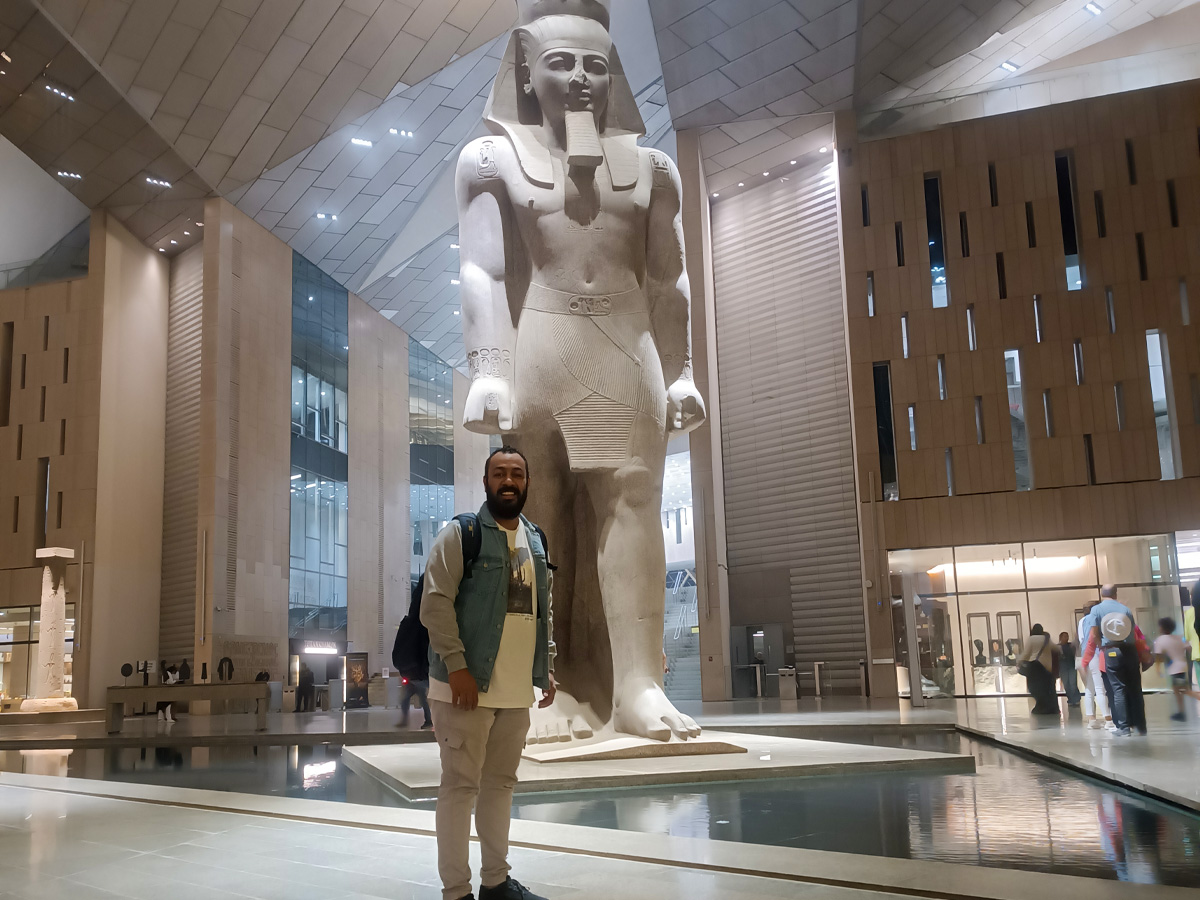 Magdy Fattouh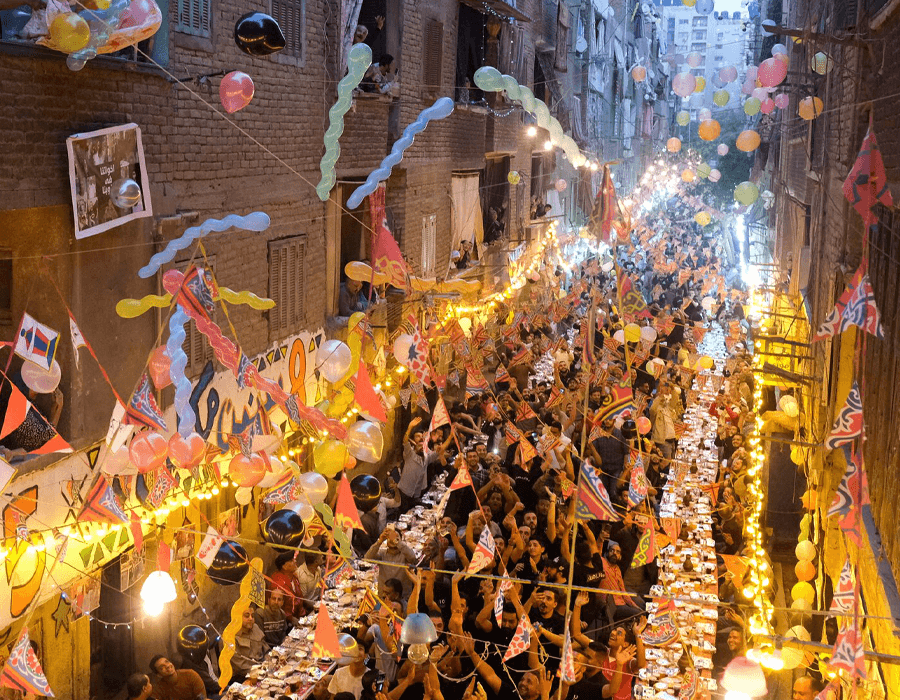
Is Egypt Good to Visit During Ramadan 2026?
Yes — one of the best times. Every tourist site stays fully open, hotels serve food and alcohol normally, and you gain the Pyramids with almost no crowds, 20–30% cheaper prices, and lantern-lit Ramadan nights in Islamic Cairo. Local restaurants close in daylight; iftar in Cairo falls around 5:55 pm.
- SitesEverything open, standard hours
- EatingHotels & tourist restaurants all day
- The magicFanoos-lit nights, joining iftar
- DressUsual rules, observed more strictly
Last Ramadan, I was guiding a family of four from the United States through Cairo. The father pulled me aside on our first evening and said, quietly, that he was worried they had made a mistake coming during the holy month — that Egypt would feel closed, unwelcoming, different.
Three hours later, a stranger at an Iftar table in Islamic Cairo had invited all five of us to eat with his family, wouldn’t hear of us paying, and his grandmother was teaching the youngest child how to say ‘Ramadan Kareem’ in Arabic.
That moment — and hundreds like it over the years — is why I tell every tourist: if you can visit Egypt during Ramadan, do it. It is one of the most extraordinary times to be here. But you need to know what to expect. So, let me tell you everything — from the practical realities of what changes to the magical parts that no guidebook can capture properly.
Is it OK to Visit Egypt During Ramadan?
Yes — absolutely. Egypt is a wonderful destination during Ramadan. All major tourist sites remain fully open, hotels serve food and drinks normally, and most restaurants in tourist areas operate throughout the day. What you gain is something rare: a glimpse into one of the world’s most beautiful religious traditions, experienced alongside the Egyptian people at their most generous and community-spirited. The atmosphere — especially after sunset — is unlike anything else in the travel world.
You Will Visit Egypt During Ramadan? Experience it’s Vibes with Our Cairo Tours.

What Actually Changes for Tourists During Ramadan
Let’s deal with the practical realities first, so you can plan with confidence.
Restaurant Hours
This is the most common concern, and the reality is more straightforward than most people expect. In tourist areas — central Cairo, Luxor, Aswan, Sharm el-Sheikh, Hurghada — the vast majority of restaurants that serve tourists operate on near-normal daytime hours throughout Ramadan. They are accustomed to international visitors.
Where you will notice a difference is in local Egyptian neighbourhoods and markets, where smaller family-run restaurants and street food stalls typically close between sunrise and sunset. If your itinerary takes you away from tourist zones — which we encourage — plan to eat before you head out or time your day around Iftar (the sunset meal).
Alcohol
Licensed hotels and restaurants can still serve alcohol to tourists throughout Ramadan, though some establishments reduce their hours or choose not to serve during the holy month out of respect. Bars and nightclubs in resort towns like Sharm el-Sheikh and Hurghada largely continue to operate for tourists. What you will not find is alcohol being served openly in public spaces or local neighbourhood settings.
Our honest advice: be discreet and respectful. Drinking openly in the street during Ramadan, while not illegal for tourists, is widely considered poor form. Enjoy your evening drink at your hotel or a licensed restaurant.
Dress Code
Egypt’s usual dress expectations apply — and they actually matter a little more during Ramadan when religious observance is heightened. For both men and women visiting mosques, markets, and non-resort public spaces, shoulders and knees should be covered. This is always our advice for visiting Egypt, but during Ramadan it is especially important to be mindful.
→ See our complete guide: What to Wear in Egypt for a full breakdown by location.
Daytime Noise and Energy
During daylight hours, Egyptian cities are slightly quieter than usual — particularly in residential areas. Many people sleep later into the morning after the pre-dawn Suhoor meal. By mid-afternoon, there is a beautiful, contemplative stillness to Old Cairo and the traditional souks that you rarely experience at other times of year.
After sunset, Cairo transforms. The streets come alive with a joyful, communal energy that has to be experienced to be understood. Families stream out of their homes, restaurants fill within minutes of the Maghrib call to prayer, and the city doesn’t sleep until well past midnight.
Prayer Times and Calls to Prayer
The call to prayer (Adhan) occurs five times daily throughout the year, but during Ramadan it carries a special significance — particularly the Maghrib call at sunset, which signals the breaking of the fast. If you are near a mosque at Maghrib, pause and listen. It is one of the most moving sounds in the world.
Tourist sites and activities are not interrupted by prayer times, but it is worth knowing that the Tarawih (special night prayers during Ramadan) means mosques are busier and more atmospheric in the evenings.
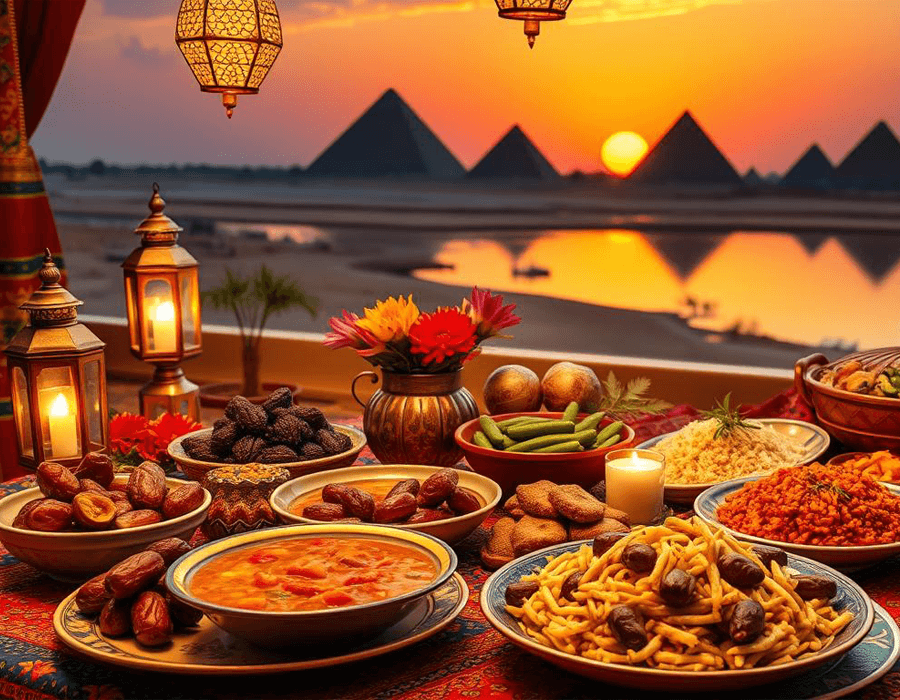
What Stays Open: The Tourist’s Practical Guide
Short Answer: Everything you came to Egypt to see is open. The Pyramids, the Sphinx, all Pharaonic temples, the Egyptian Museum, the Grand Egyptian Museum — all fully operational throughout Ramadan, with standard opening hours.
| What | Status During Ramadan | Notes |
|---|---|---|
| Pyramids of Giza | ✅ Fully Open | Standard 8am–4pm. Same entry prices. |
| Grand Egyptian Museum (GEM) | ✅ Fully Open | Hours may extend on special Ramadan evenings — check ahead. |
| Luxor & Karnak Temples | ✅ Fully Open | Karnak Sound & Light show continues. |
| Valley of the Kings | ✅ Fully Open | No change. |
| Abu Simbel | ✅ Fully Open | Fly-in day trips continue as normal. |
| Nile Cruises | ✅ Operating | Cruise staff observe Ramadan privately. Full service for guests. |
| Tourist Restaurants (Cairo/Luxor/Aswan) | ✅ Open | May open slightly later in morning. |
| Local neighbourhood restaurants | ⏰ Closed daytime | Open from Iftar (sunset) onwards. |
| Hotels (food & drink) | ✅ Fully operational | All hotel restaurants serve food and alcohol as normal. |
| Cairo Metro / Transport | ✅ Running | Slightly less crowded in mornings. |
| Khan el-Khalili Market | ✅ Open | Quieter by day, SPECTACULAR at night during Ramadan. |
| Tour guides & operators | ✅ Working | Our guides fast personally but maintain full professional service. |
The Magical Side of Ramadan — What Only Locals See
This is what the travel guides don’t tell you. And it’s the reason why, after everything I’ve seen of Egypt in every season, Ramadan remains my favourite time to be here.
The Fanoos Lanterns
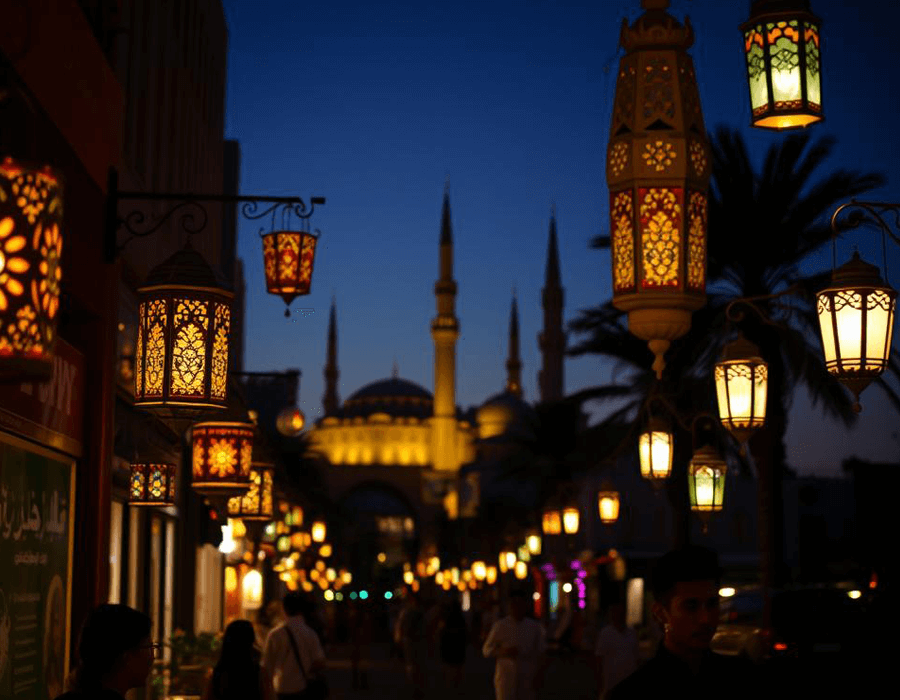
From the first day of Ramadan, Cairo decorates itself. Hanging across every narrow alley in Islamic Cairo, in the windows of apartment buildings, strung between minarets — the fanoos (Ramadan lantern) is one of Egypt’s most beloved symbols. The tradition dates back over a thousand years, and walking through Al-Muizz Street after sunset during Ramadan, with the lanterns casting gold light across the medieval architecture, is genuinely one of the most beautiful things I have witnessed in a lifetime of living in this city.
Iftar: The Meal That Stops a City
At the moment the Maghrib call to prayer sounds — the exact second of sunset — every Egyptian who has been fasting all day breaks their fast. In the minutes before, restaurants are packed but silent with anticipation. Taxi drivers pull over. Market sellers pause. And then, all at once, the city exhales.
The Iftar meal traditionally begins with dates and water, followed by soups (lentil soup is the Egyptian classic), then the main meal. For tourists, the most extraordinary experience is joining a public Iftar — tables that are set up on streets and in open spaces in traditional neighborhoods, where anyone, including strangers and visitors, is welcomed to eat. These are called ‘Mawaidat al-Rahman’ (Tables of the Merciful) and they represent Egyptian generosity at its most open-hearted.
Suhoor and the Night That Never Ends
After the Iftar meal, Egyptian streets come alive in a way they simply don’t at any other time of year. Families go out together. Young people fill the coffee shops and shisha cafes until 3am. Street vendors emerge with Ramadan-specific sweets. The Mesaharaty — a traditional figure who walks the streets beating a drum to wake people for Suhoor (the pre-dawn meal) — still passes through some older Cairo neighbourhoods. Hearing that drum at 3am from your hotel window is one of the strangest, most haunting, and most authentic sounds you will encounter in Egypt.
Ramadan Food: Things You Cannot Eat Any Other Time
One of the best-kept secrets about visiting Egypt during Ramadan is the food. Several traditional dishes and sweets appear only during this month, and they are extraordinary.
- Konafa — shredded wheat pastry filled with cream or cheese, soaked in sugar syrup. Available year-round but Ramadan versions from specialist bakeries are in another league entirely.
- Katayef — small filled pancakes, fried or baked, stuffed with nuts or cream. Only made during Ramadan.
- Om Ali — Egypt’s iconic bread pudding with nuts and raisins. Elevated versions appear on restaurant menus across Cairo during Ramadan.
- Qamar el-Din — a thick apricot nectar drink, traditionally drunk to break the fast. Sweet, rich, and found only in Ramadan.
- Kharroub — a dark, earthy carob drink that appears on street corners in giant metal urns from sunset each evening.
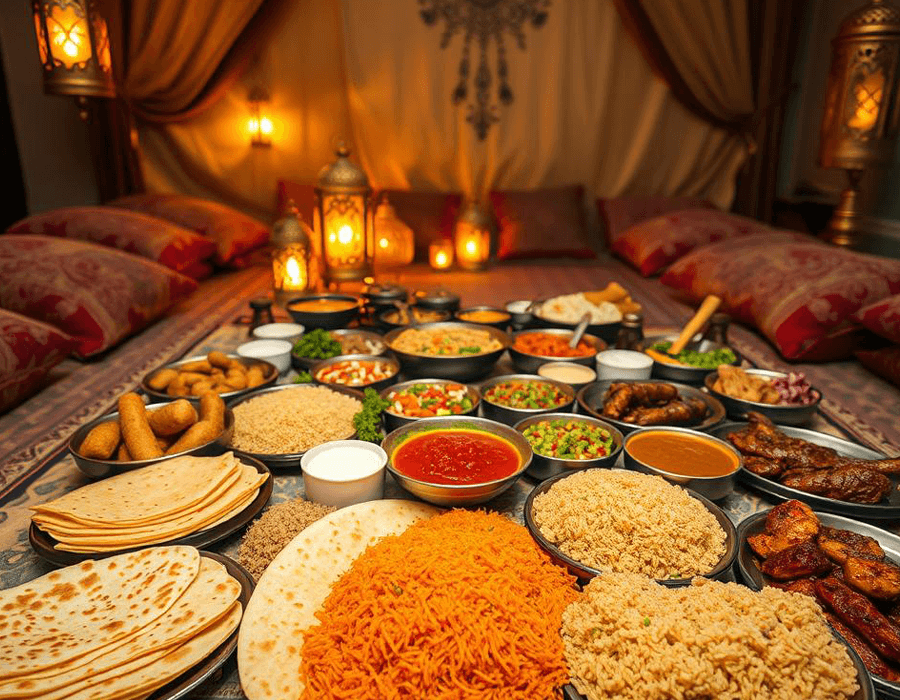
Ramadan 2026: Dates, Times & What to Expect
Ramadan 2026 is expected to begin on approximately February 17–18, 2026 (subject to moon sighting confirmation) and end on approximately March 19–20, 2026, with Eid al-Fitr celebrations following.
Note: Islamic calendar dates shift approximately 10–11 days earlier each Gregorian year.
| City | Approx. Iftar (Sunset) | Approx. Fajr (Pre-Dawn) | Day Length (Fast) |
|---|---|---|---|
| Cairo | ~5:55 PM | ~5:05 AM | ~12 hrs 50 min |
| Luxor | ~5:50 PM | ~5:00 AM | ~12 hrs 50 min |
| Aswan | ~5:48 PM | ~4:58 AM | ~12 hrs 50 min |
| Alexandria | ~5:58 PM | ~5:08 AM | ~12 hrs 50 min |
| Sharm el-Sheikh | ~5:52 PM | ~5:02 AM | ~12 hrs 50 min |
Note: Times are approximate for mid-Ramadan 2026. Exact daily times are published by Egypt’s Dar al-Iftaa and displayed in hotels and mosques throughout the country.
9 Practical Tips from Our Local Guides
💡 These are the tips we give every client personally — the things no guidebook mentions.
- Adjust your schedule to the Ramadan rhythm. Wake earlier, do your temple visits and sightseeing in the morning and early afternoon when sites are quieter. Rest in mid-afternoon. Come alive again after sunset — that’s when the best of Ramadan happens.
- Book Iftar at a local Egyptian restaurant, not a hotel buffet. The hotel version is fine but generic. Eating Iftar at a real Cairo restaurant — with Egyptian families around you, the particular tension of the minutes before sunset, and then the release when the call to prayer sounds — is a travel memory you will carry forever.
- Carry small snacks and water in your bag for daytime sightseeing. You are permitted to eat and drink as a tourist, but do it discretely in public spaces — not in front of people who are fasting.
- Visit Islamic Cairo after Iftar, not before. Khan el-Khalili and Al-Muizz Street at 9pm during Ramadan are like nothing you have seen. The lanterns are lit, the crowds are joyful, the coffee shops are full. This is Cairo at its most alive.
- If a local invites you to eat with them — say yes. Hospitality during Ramadan is a religious act. Refusing can cause genuine offence. You will not regret accepting.
- Learn two phrases: ‘Ramadan Kareem’ (رمضان كريم) — said to wish someone well during Ramadan, to which the reply is ‘Allahu Akram’. Saying this to your hotel staff, your guide, your driver will genuinely move them.
- Expect Eid al-Fitr preparations in the final week of Ramadan. Cities get busier and more festive. Shopping districts fill with families buying new clothes (a Ramadan tradition). If your trip ends around Eid, you may encounter some closures on Eid day itself, but the celebrations are spectacular to witness.
- Tour guide fees and tipping remain the same during Ramadan. Our guides work the full day professionally regardless of fasting. Please tip as you normally would — and perhaps a little generously, as your guide is showing you extraordinary things while personally fasting.
- Dress more conservatively than usual in public spaces. Not because the law demands it of tourists, but because it is a simple act of respect that Egyptians notice and deeply appreciate. It will change how people interact with you.
Where to Go: Best Experiences During Ramadan
Cairo After Iftar
The single best Ramadan experience in Egypt. Spend your afternoons at the Pyramids, the Grand Egyptian Museum, or Coptic Cairo — then after sunset, head to Islamic Cairo. Start at Al-Azhar Park for a view of the lit minarets across the city, walk down through the Al-Darb al-Ahmar neighbourhood into Al-Muizz Street, and end the evening at El-Fishawi coffeehouse in Khan el-Khalili — which has been open continuously since 1773 and is at its most magical during Ramadan evenings.
Luxor: Temples Under Ramadan Skies
Luxor during Ramadan is profoundly beautiful. The temples of Karnak and Luxor, the Valley of the Kings, the West Bank — all are open and accessible. But the particular light of a February/March evening in Upper Egypt, combined with the gentle quietness of a city observing Ramadan, creates an atmosphere around these ancient monuments that is almost spiritual. Many of our clients say their Luxor visit during Ramadan felt more moving than at any other time of year.
Aswan: The Most Peaceful Option
If you want to experience Ramadan in Egypt at its most relaxed and intimate, Aswan is our recommendation. The city is smaller, the pace slower, and the community feel more intense. A sunset felucca ride on the Nile during Iftar time — hearing the Maghrib call float across the water while the sun drops behind the West Bank — is one of the defining travel experiences this country offers.
Sharm el-Sheikh and Hurghada: The Resort Experience
If your priority is beach, diving, and relaxation rather than cultural immersion, the Red Sea resorts operate almost identically during Ramadan to any other time of year. All-inclusive resorts serve food and drink on normal schedules. The main difference is that non-resort areas of these towns will be quieter during the day. Some restaurants and shops outside resort zones may keep Ramadan hours. For a purely beach holiday, this is a completely valid way to experience Egypt during Ramadan — just with less of the cultural magic.
Should You Book a Tour to Egypt During Ramadan?
Our honest answer: yes, and here is why it is often the best time to visit.
- Slightly fewer tourists at major sites compared to peak December–January, meaning shorter queues at the Pyramids and temples.
- Your Egyptian guide is at their most invested during Ramadan — this is a personally meaningful time, and sharing it with visitors they respect is something guides take seriously.
- The atmosphere at every cultural site is elevated by the Ramadan context — your guide can explain the religious significance of what you are seeing in a way that resonates more deeply when the country is actively observing these traditions around you.
- Prices can be slightly more competitive than peak winter season.
The one consideration: if your group has very specific daytime food requirements and you are not staying in tourist-zone hotels, plan ahead. But in our experience guiding hundreds of groups during Ramadan, this has never been a genuine obstacle.
→ Browse our Egypt tour packages — all available during Ramadan season.
Frequently Asked Questions
When is Ramadan in Egypt in 2027?
Licensed hotels and tourist restaurants can serve alcohol to tourists throughout Ramadan. What changes is that some establishments may reduce their bar hours or choose not to serve out of respect for the holy month. We recommend enjoying drinks at your hotel or a licensed restaurant, rather than drinking openly in public spaces during Ramadan.
What is Ramadan and how does it affect visiting Egypt?
Ramadan is the holiest month in the Islamic calendar — Egyptian Muslims fast from sunrise to sunset, abstaining from food, drink, and smoking. For tourists: tourist restaurants and hotel dining rooms remain open all day throughout Ramadan. Some local Egyptian cafés close during daylight hours but reopen vibrantly at sunset. The key change is the evening atmosphere: Cairo transforms after Iftar (sunset meal) into one of the most festive, alive cities you’ll ever experience. Ramadan in Egypt is actually a wonderful time to visit if you embrace the culture.
Are restaurants open in Cairo during Ramadan?
Yes — tourist restaurants, hotel restaurants, and cafés in tourist areas remain open throughout the day during Ramadan. Your hotel will serve breakfast, lunch, and dinner normally. Local Egyptian cafés and some family-run restaurants may close during daylight hours and reopen at Iftar (sunset). By evening, Cairo’s dining scene explodes — Ramadan is actually the most exciting time for food in Egypt, with special Ramadan dishes, street food everywhere, and an electric festive atmosphere.
Do Egyptians celebrate Ramadan?
Ramadan is the most culturally significant month in Egypt’s calendar — both a spiritual observance and a major social celebration. Families gather for the Iftar meal at sunset (breaking fast together), streets are decorated with traditional Ramadan lanterns (fanous), and a festive energy fills Cairo until the early morning Suhoor meal before dawn. For tourists, witnessing an Egyptian Iftar — either in a restaurant or invited by locals — is one of the most memorable cultural experiences Egypt offers.
What do Muslims drink during Ramadan in Egypt?
After sunset when the fast breaks, traditional Egyptian Ramadan drinks include: Karkade (cold hibiscus tea — very refreshing), Tamarind juice, Sobia (white coconut and rice drink), Qamar El-Din (apricot nectar drink), and fresh juices from street vendors. During the day, fasting Muslims drink nothing — not even water. As a non-Muslim tourist, you can eat and drink normally but it’s respectful to avoid eating or drinking visibly in public during daylight hours in conservative areas.
Can I drink alcohol in Egypt during Ramadan?
Yes. Licensed hotels and tourist restaurants can serve alcohol to tourists throughout Ramadan. What changes is that some establishments may reduce their bar hours or choose not to serve out of respect for the holy month. We recommend enjoying drinks at your hotel or a licensed restaurant, rather than drinking openly in public spaces during Ramadan.
Is it disrespectful to eat in public during Ramadan in Egypt?
Tourists are not expected to fast during Ramadan. Eating in public is not illegal for non-Muslims. However, eating or drinking openly in front of people who are fasting — particularly in traditional neighbourhoods — is considered poor manners. In tourist zones and at tourist sites, this is a non-issue. Use your judgment: if you are surrounded by Egyptian families going about their day, it is polite to be discreet.
Is Egypt safe for tourists during Ramadan?
Ramadan does not affect Egypt’s safety for tourists. Egypt’s tourist infrastructure, police presence at major sites, and security arrangements continue as normal throughout the holy month. In our experience, the communal spirit and hospitality of Ramadan actually makes locals even more welcoming to respectful foreign visitors.
What should I wear in Egypt during Ramadan?
The same respectful dress code that applies throughout Egypt — and a little more mindfully during Ramadan. Cover shoulders and knees in public spaces, markets, and religious sites. Both men and women should follow this. For detailed guidance: see our complete Egypt dress code guide.
🔗 Related Guides You Might Find Useful:
→ Egypt Dos and Don’ts (cultural etiquette for visitors)
→ Popular Egyptian Food (the dishes to try during your visit)
→ 7-Day Egypt Itinerary (plan your full trip)
→ Egypt in March (Ramadan falls in March 2026 — travel guide for this month)
Related guides
Essential Egyptian Arabic for Travellers: Phrases That Actually Matter
I have been guiding international visitors through Egypt for 10 years. In that time, I have…
Egypt All-Inclusive Holiday: The Complete Planning Guide for 2026
You've booked your all-inclusive Egypt holiday — or you're about to. The hotel says everything is…
Egypt in Summer: Honest Guide to Visiting in June, July & August
Every summer, we receive the same question from travelers around the world: "Is Egypt too hot…
Ready to plan your Egypt trip?
Tell us your dates and interests. A Cairo consultant will reply within 24 hours with an itemised itinerary — free to enquire.