





Visiting Mosques in Egypt: Top Mosques, Dress Code & Etiquette (With Examples)
 Magdy Fattouh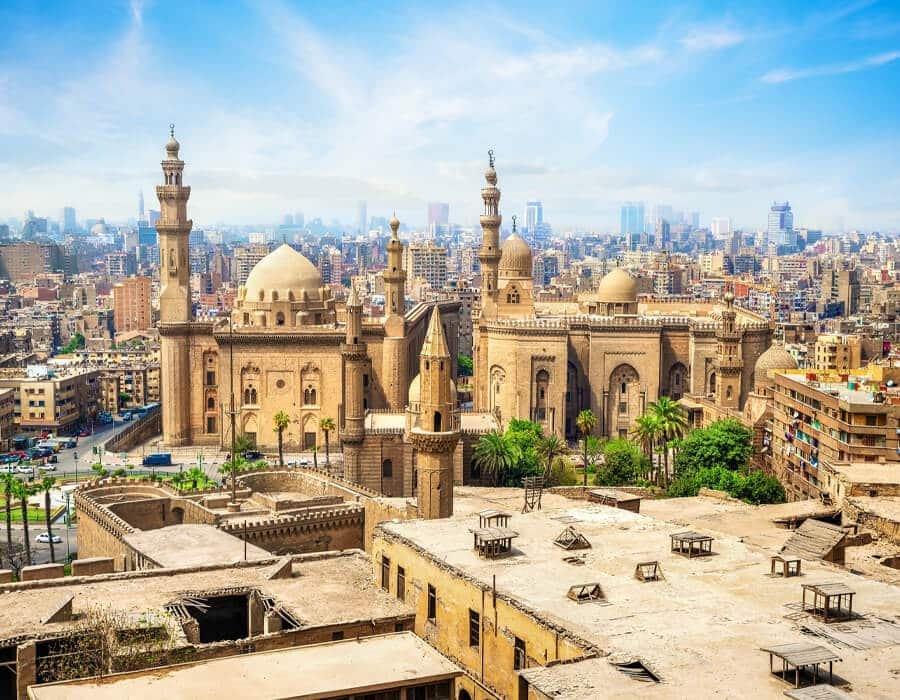
Can Tourists Visit Mosques in Egypt?
Yes — with modest dress and simple etiquette. Most monuments open roughly 9 AM–5 PM. Start with the Muhammad Ali Mosque (1830–1848, inside the Citadel — entry included with the Citadel ticket), Al-Azhar (970 AD), and Ibn Tulun (876–879 AD) with its spiral minaret.
- EtiquetteModest dress; shoes off inside
- HoursMost monuments ~9 AM–5 PM
- Start withMuhammad Ali Mosque at the Citadel
- OldestIbn Tulun (876–879) & Al-Azhar (970)
Have you ever wondered how a single visit can change the way you see a whole city? Cairo—often called the City of a Thousand Minarets—does more than impress; it teaches. This short guide helps you plan a thoughtful route to key landmarks like the Muhammad Ali Mosque, Al-Azhar Mosque, Ibn Tulun Mosque, and the paired Sultan Hassan Mosque & Al-Rifa’i Mosque—a route often featured in cultural Egypt tour packages.
I write from experience: I time visits to avoid Jumu’ah, carry a multipurpose scarf, and keep small cash for shoe storage or minaret tips. You’ll find practical hours (most monuments ~9 AM–5 PM; open-air sites 8 AM–sunset) and real costs, like the combined Sultan Hassan + Al-Rifa’i ticket. Prefer flexibility? You can build your own Egypt package or let Egypt Tours by Locals stitch these highlights into one smooth, respectful day.
Key Takeaways
- Pick times outside Friday morning prayers for a calmer experience.
- Bring one scarf that doubles as hair cover, shoulder cover, and sun shield.
- Carry small change for tickets, shoe rooms, or minaret access.
- Choose a mosque for views (Muhammad Ali) or quiet reflection (Al-Azhar).
- Watch how locals move and follow their lead to be respectful.
Why Visit Egypt’s Mosques Now: Architecture, Culture, and Living History

Step into these courtyards and you sense history humming through daily life.
I watch students at Al-Azhar (970 AD) reading in marble arcades. Their quiet study links past scholarship to today.
Ibn Tulun (876–879 AD) shows austere space and a spiral minaret that feels both simple and grand. Sultan Hassan, built in the 14th century, blends a mosque with four madrasas—an architectural statement about learning and power.
In Luxor, Abu Haggag sits inside the temple complex and layers 3,500+ years of worship on one site. These sites make mosques egypt alive: classrooms, sanctuaries, and community hubs.
Why this matters: you don’t just look at stone or calligraphy—you meet the people and the culture that keep these places active. Slow down, listen to an echo, and the meaning arrives.
- See how architecture frames daily ritual and study.
- Notice minarets shaping a skyline that tells a story.
- Connect past design to present-day use.
| Site | Era | Highlight | What you’ll see |
|---|---|---|---|
| Al-Azhar | 970 AD | Center of Sunni learning | Students, marble courtyards, study circles |
| Ibn Tulun | 876–879 AD | Largest original plan | Spiral minaret, calm open arcades |
| Sultan Hassan | 14th century | Mosque plus four madrasas | Austere grandeur, vast iwans |
| Abu Haggag (Luxor) | Layers to 3,500+ years | Layered worship site | Ancient temple ruins beside a later shrine |
Top Mosques in Egypt to Add to Your Itinerary
Quick hits to plan your day: I list practical stops, hours, and costs so you can pack more meaning into each walk.
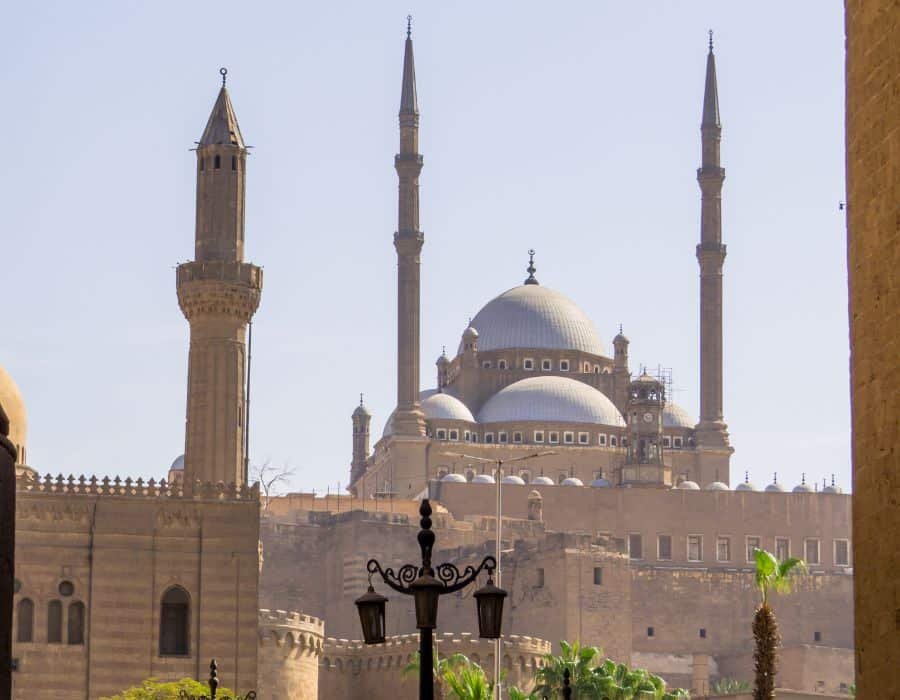
- Muhammad Ali Mosque, Cairo Citadel — Built 1830–1848 and set inside the Citadel. The complex opens at 8:00 AM; the mosque is usually accessible 9:00 AM–5:00 PM. Entry is included with the Citadel ticket (costs fluctuate; previously about 10–11 usd). Go early for Gawhara Terrace light.
- Al-Azhar — Founded 970 AD. Free to enter and often open 9:00 AM–5:00 PM. This active university mosque hums with study and prayer. Use the Barber’s Gate for a memorable courtyard reveal.
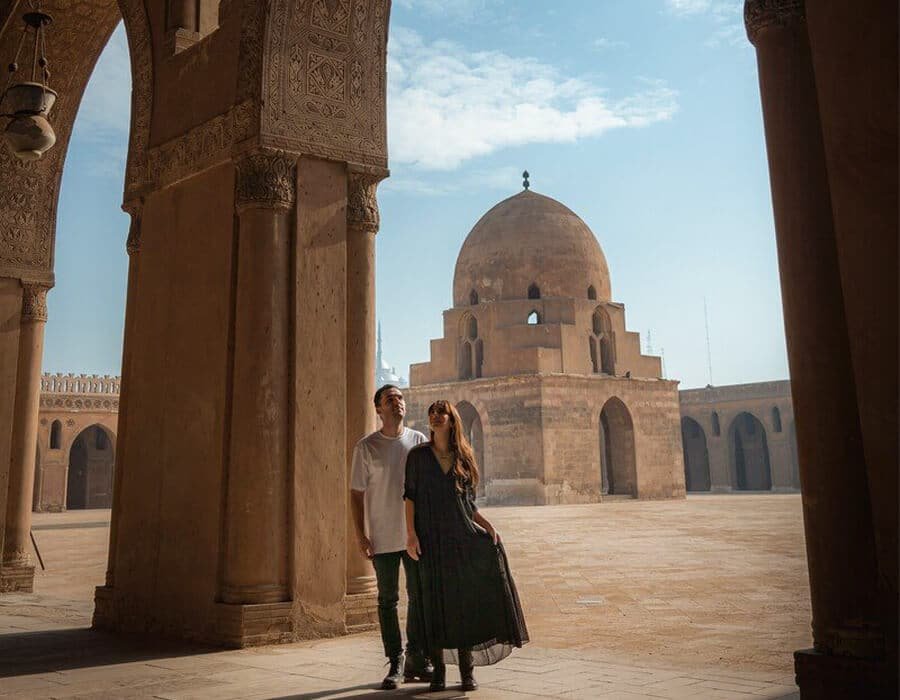
- Ibn Tulun — 876–879 AD, free entry. Cairo’s largest original-plan mosque. The spiral minaret is climbable for a small tip (often ~5 EGP). The wide courtyard offers quiet breathing room.
- Sultan Hassan + Al-Rifa’i — Sultan Hassan (1356–1363) and Al-Rifa’i (1869–1912) share a combined ticket (EGP 220 adults / EGP 110 students at the time noted). Hours are typically 9:00 AM–5:00 PM. Allow 60–90 minutes to explore iwans and royal tombs.
- Al-Hakim on Al-Muizz — 990–1013; free and peaceful. Its minarets sit inside old city walls, making it a striking stop while you stroll historic areas.
- Abu Haggag, Luxor Temple — 13th century mosque built into the Luxor Temple complex. The temple opens about 6:00 AM–8:00 PM; mosque access is via the temple ticket (previously EGP 500 adults / EGP 250 students). This layered site is unforgettable.
- Al Sahaba, Sharm El Sheikh — Opened 2017 and free. Best seen after sunset when the façade is lit—perfect for evening photos before a calm interior visit.
- Abu Al‑Abbas Al‑Mursi, Alexandria — 1307; free and open all day. The ornate façade and reflections after rain make for beautiful photos.
- El Mina Masjid, Hurghada — Built 2012, free and open all day. It sits by the harbor; step inside for cool, serene interiors amid lively seaside areas.
Explore the best things to see and do in Egypt for every type of traveler.
Pairing tip: Fit a morning at the Egyptian Museum or the Grand Egyptian Museum around your mosque visits—check opening hours so you don’t rush between these beautiful mosques and major museums.
| Site | Era / Built | Hours / Access | Cost / Notes |
|---|---|---|---|
| Muhammad Ali (Citadel) | 1830–1848 | Citadel opens 8:00 AM; mosque 9:00 AM–5:00 PM | Included with Citadel ticket; ~10–11 usd example |
| Al-Azhar | 970 AD | Typically 9:00 AM–5:00 PM | Free; active university mosque |
| Ibn Tulun | 876–879 AD | Daytime access; quiet courtyard | Free; minaret climb tip ~5 EGP |
| Sultan Hassan + Al-Rifa’i | 1356–1363 / 1869–1912 | Usually 9:00 AM–5:00 PM | Combined ticket EGP 220 adults / EGP 110 students |
| Abu Haggag (Luxor Temple) | 13th century / ancient temple layers | Temple 6:00 AM–8:00 PM; mosque via temple ticket | Included with Luxor Temple ticket; example EGP 500 adults |
Visiting Mosques in Egypt: Essential Etiquette and On-Site Tips
A short pause at the doorway sets the tone—and it helps you join the space respectfully. If you are visiting mosques egypt, start with calm steps and a quiet mind.
Below are practical tips I use every time I enter a mosque. They keep the visit smooth for you and for the people who pray and study there.
- Remove shoes: always take them off before stepping on prayer carpets. In hot months wear socks so you don’t have to tip‑toe across heated stone. A small tip for the shoe attendant is polite.
- Plan around prayer: Friday mornings are for Jumu’ah—many sites limit visitor access until later. Check opening hours and prayer times the morning you go.
- Be quiet and steady: silence phones, speak softly, and wait if a congregation is praying—about 20 minutes on average.
- Photography and privacy: rules vary—look for signs or ask. Never photograph worshippers without permission.
- Respect separation: men and women often use different areas. Follow the flow or ask an attendant where to enter.
| Action | Why it matters | Quick tip |
|---|---|---|
| Remove shoes | Keeps carpets clean | Wear socks in summer |
| Check times | Avoid prayer periods | Look up opening hours that morning |
| Ask before photos | Protects privacy | Point and ask politely |
My favorite tip: pause at the threshold, breathe, and enter with a quiet mindset—it changes the whole experience.
What to Wear Inside a Mosque: Real-World Examples
How you dress shapes the ease of your visit and the welcome you receive.
My go-to outfit: breathable trousers or a maxi skirt, a light long-sleeve top, and a large scarf. For women the scarf works for hair and shoulders when asked.
Shoulders and knees covered is the baseline. Choose loose cotton or linen so you stay cool and show clear appreciation for the space.
- Men: long pants and a breathable shirt—simple and respectful.
- Avoid tight leggings or sheer fabrics—some attendants will refuse entry.
- Neutral, earthy tones photograph well against stone and carved wood.
- Bring a backup scarf for sun, hair cover, or a chilly prayer hall.
- Shoes that slip on and off and a small crossbody bag make movement easy.
| Who | Key items | Why |
|---|---|---|
| Women | Scarf, long sleeves, loose skirt/trousers | Hair/shoulder cover; comfort while kneeling |
| Men | Long pants, breathable shirt | Simple respect; cool fabrics |
| Both | Neutral colors, slip-on shoes | Blend in and ease of entry |
Quick test: try walking and kneeling at home—if it moves with you, it will work during the visit and let you focus on the architecture, not outfit negotiations.
Not sure what to pack? Here’s what to wear in Egypt for every season and destination.
Best Time to Visit and Typical Opening Hours
Timing turns a busy tour into a calm, memorable walk through history.
Best time visit Egypt is November through April—mornings are crisp and afternoons stay comfortable. Shoulder months (late October or late April) give long days and fewer crowds.
Typical opening hours for major complexes hover around 9 AM–5 PM. Open-air sites often open at 8 AM and close at sunset. Always check the posted opening hours on the day you go.
Fridays need planning: many sites limit tourist access until after Jumu’ah. During Ramadan, hours shift—start early, pace yourself, and enjoy the evening atmosphere after iftar.
- Summer: visit at first light or late afternoon to avoid heat.
- I pair two sites per morning and one in the afternoon—this keeps each stop memorable.
- For big complexes, aim to arrive at opening for quiet light and fewer crowds.
| Season | Typical hours | Quick tip |
|---|---|---|
| Nov–Apr | 9 AM–5 PM | Cool mornings; plan more walks |
| Summer | 8 AM–sunset (open-air) | Go early or late; coastal sites are cooler |
| Ramadan / Fridays | Variable | Check signs and prayer times |
Keep a screenshot of prayer times on your phone and cross-check if posted hours differ. Little checks like this save time and help when you’re visiting Egypt and exploring mosques Egypt.
Costs, Tips, and Donations: What Travelers Should Expect
A modest daily cash envelope makes decisions easier and your visits feel more relaxed. Expect a mix of free-entry mosques and ticketed complexes. Free sites often accept small, voluntary donations for shoe storage or a minaret climb.
Example costs: the Sultan Hassan + Al-Rifa’i combined ticket has been listed at EGP 220 adults / EGP 110 students. The Citadel ticket includes the Muhammad Ali mosque, which can save you money if you plan multiple stops.
Keep small bills for everyday gestures. A quick tip for the shoe attendant or someone who opens a side door is common. Tips are about appreciation, not pressure—give what feels right and smile.
- Carry extra cash for fluctuating posted prices and USD conversions.
- If someone offers an unrequested service and insists on payment, give a minimal tip or politely decline.
- Budget several small tips if you plan a long day with many helpers.
| Item | Example | Typical amount |
|---|---|---|
| Combined tickets | Sultan Hassan + Al-Rifa’i | EGP 220 / EGP 110 |
| Shoes/minaret | Ibn Tulun minaret tip | Small local bills (~few EGP) |
| Currency note | USD conversion for surprises | Carry small usd notes |
Many of your best moments cost nothing—sit on a cool stone bench and listen. These simple budgets keep a traveler calm and let the trip feel like an exchange of respect, not a bill.
How to Get Around Mosque Areas Smoothly
A clear route and a spare water bottle make the day feel easy, not rushed. Start by grouping nearby sites—Citadel with Sultan Hassan and Al‑Rifa’i, or Al‑Azhar with Al‑Hakim and Khan el‑Khalili—to cut transit and gain more quiet time inside each place.
Allow extra time: traffic can chew up minutes. Add a 15–30 minute cushion between stops so you won’t feel rushed at the gate.
Rideshare works, but can cancel. Confirm the driver’s approach in the app and by phone, and share a clear pin near a landmark. Many travelers prefer arranging a regular driver for a half‑day—it’s affordable and gives reliable access and a place to store water, scarves, and snacks.
- Wear slip‑on shoes for quick entry and uneven stone.
- Carry small change for tips and shoe attendants; it smooths access.
- Bring a small pack with socks, scarf, and a reusable bottle for easy swaps between sites.
- If you get lost, ask a shopkeeper or attendant for the nearest gate—they usually point the quickest way.
| Need | Practical step | Why it helps | Quick tip |
|---|---|---|---|
| Route planning | Cluster nearby areas | Less transit, more time inside | Map two stops per morning |
| Transport | Confirm rideshare by app and phone | Reduces cancellations and delays | Set a clear pin near a landmark |
| Comfort | Carry water, snacks, scarf | Stay cool and flexible | Leave extras in a hired car |
| Local ease | Keep small change and learn basic phrases | Faster access; friendlier interactions | Say “hello,” “please,” “thank you” |
Stay alert and informed with our guide to tourist scams in Egypt so you can travel with confidence.
Plan a Day in Islamic Cairo Like a Pro
Start your day early in Islamic Cairo and let light and quiet guide your route. I begin at the Citadel at opening hours. Wander the Muhammad Ali Mosque while it is calm, then take the terraces for wide views before the heat builds.
Next, head downhill to Sultan Hassan and Al-Rifa’i. Buy the combined ticket and give each building about 45–60 minutes. Their contrast feels like two distinct chapters of the same story.
After a short snack and water break, spend the early afternoon at Al-Azhar and stroll Al-Muizz Street to reach Al-Hakim. Historic doors and carved wood make the walk a living culture lesson between stops.
If you want a museum focus, pair a separate half-day at the Egyptian Museum or the Grand Egyptian Museum. Both need slow, focused time—plan them off your mosque tour to avoid a rushed day.
Practical tips: allow a late-afternoon pause for prayer; shop hours often run 10 AM–10 PM; Khan el-Khalili is perfect for an evening browse. Keep the daylight: three major sites plus one neighborhood wander is plenty for a single day tour.
- Citadel + Muhammad Ali — morning, 60–90 minutes.
- Sultan Hassan + Al-Rifa’i — late morning, combined ticket, 60–90 minutes.
- Lunch, water, shade — 30 minutes.
- Al-Azhar + Al-Hakim — early afternoon, 60 minutes; finish with a market stroll.
| Stop | Best Time | Suggested Duration | Why |
|---|---|---|---|
| Citadel & Muhammad Ali | Morning (opening) | 60–90 min | Quiet light, panoramic views |
| Sultan Hassan + Al-Rifa’i | Late morning | 60–90 min | Architectural contrast; one combined ticket |
| Al-Azhar & Al-Hakim | Early afternoon | 45–60 min | Street life, carved wood, nearby shops |
Explore Egypt’s ancient wonders in our historical sights in Egypt guide.
Staying Respectful: Culture, Space, and People
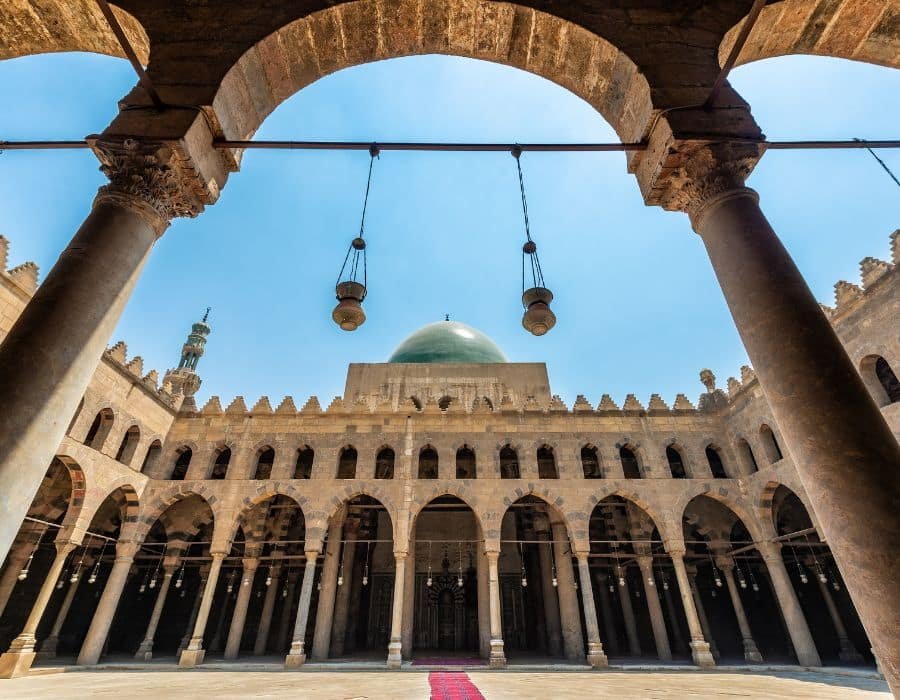
Treat each mosque like a neighbour’s home: walk softly and notice how people move before you cross a threshold.
Mind the room. A calm tone and small steps show immediate appreciation. Watch locals to learn where men and women enter and how the flow works. This helps you avoid awkward moments and keeps the visit smooth.
Dressing modestly—shoulders and knees covered is the easiest rule. Women may be asked to cover their hair and men to avoid shorts. These changes are simple and keep others comfortable.
- Think gently: avoid hugs or public displays; save handholding for outside.
- If an attendant asks you to wait, remove shoes, or move, accept it and say thanks.
- Keep cameras low near worshippers; photograph architecture rather than faces without permission.
- If someone looks your way, return a quiet smile—curiosity from people is normal and friendly.
| Situation | Why it matters | Quick action |
|---|---|---|
| Entrance flow | Respects prayer space and lines | Watch locals; follow their lead |
| Dress requests | Shows cultural appreciation | Cover shoulders/knees; carry a scarf |
| Photography near worship | Protects the privacy of others | Shoot architecture; ask before faces |
Remember: this visit is a privilege. Mindful behavior opens up quieter, deeper moments under a dome and often invites warm local interactions.
What to Bring—and What to Skip—for a Seamless Visit
A light bag and a clear plan make long days among historic places far easier. Pack smart and you spend time exploring, not fumbling for items.
Bring: a large scarf, slip-on shoes, thin socks, a reusable water bottle, and a few light food options (nuts or dates) to keep energy steady between sites. Sunscreen, sunglasses, and a hat matter—courtyards can be bright and shade is limited.
Keep small bills for shoe attendants and bathroom caretakers; many restrooms have attendants who appreciate a tiny tip. Carry a compact crossbody with your phone, cash, and scarf so hands stay free for photos and railings.
Avoid: heavy backpacks and flashy jewelry. Bulky bags are awkward in narrow aisles and can bump carved wood or other visitors. Leave valuables locked at your accommodation and travel light for easier movement between areas.
- Consider a local SIM for reliable maps and prayer times; public Wi‑Fi is common but spotty.
- Tap water isn’t recommended—buy sealed bottles and keep them shaded.
- If you’re out multiple days, pre-pack a small kit (scarf + socks + cash) to grab and go each morning.
Experience Cairo’s charm at Khan El Khalili Bazaar — a must-visit for shopping, culture, and history lovers.
| Item | Why | Quick tip |
|---|---|---|
| Large scarf | Covers shoulders/hair when required | Pack one that doubles as sun cover |
| Slip-on shoes + thin socks | Easy on/off for barefoot areas | Socks keep feet clean on hot floors |
| Reusable bottle & light food | Maintain energy across long days | Keep snacks for between visits; eat main meals off-peak |
| Small bills & compact crossbody | Smooths interactions and secures valuables | Keep coins and small notes in an easy pocket |
Craft Your Mosque-Focused Day with Egypt Tours by Locals
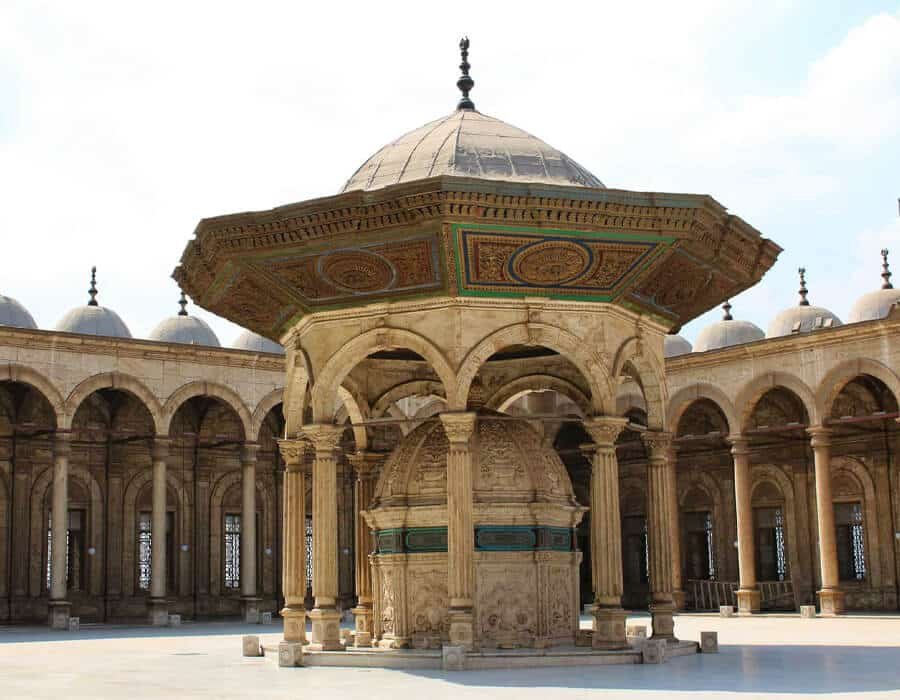
Start your mosque-focused day with a local who knows the best light and the quietest gates. I design tours that remove the logistics so you can savor each space.
What we do: build a compact half-day or a full-day route that fits your pace. We pair a friendly guide who matches your interest—architecture deep-dives, golden-hour photography, or a culture-first wander that includes a tea stop.
With Egypt Tours by Locals, you get better access and timing. We plan around prayer, pick the right doors, and help you reach tucked-away corners most visitors miss.
- Choose a tailored tour that blends mosques with a museum stop or a stroll down Al‑Muizz.
- Tell us your must-sees—like Ibn Tulun’s spiral minaret or Al‑Azhar’s courtyard—and we’ll build the day around them.
- We stay flexible so you can linger longer when a place speaks to you.
| Service | What you get | Best for | Typical length |
|---|---|---|---|
| Half-day tour | Curated route + guide | Short stays; photography | 3–4 hours |
| Full-day tour | Multiple sites + breaks | Deep exploration; museum add-ons | 6–8 hours |
| Custom route | Personalized pace & access | Special interests or mobility needs | Flexible |
| Add-ons | Street snacks, museum stops | Local flavors and context | As requested |
Ready to visit Egypt with ease? Let Egypt Tours by Locals map a day that feels effortless and unforgettable. Tell me your travel style and must-see places, and I’ll craft the plan.
Conclusion
I find the best memories come from sitting quietly under a dome and letting the light and history settle.
From Al‑Azhar’s living campus to Sultan Hassan’s vast iwans and the layered wonder of Abu Haggag at Luxor Temple, Egypt’s famous mosques egypt blend art, faith, and daily life.
Plan a few anchor places, watch posted opening hours, and give yourself time to sit in the quiet. The best time visit is the cool season (Nov–Apr), but smart pacing and water keep warmer months pleasant.
Many sites are free; others charge modest fees (USD conversions change). Carry small cash for a respectful tip, dress modestly, and follow the gentle rhythm of people at prayer and study.
If you want to visit Egypt without the guesswork, I can help—Egypt Tours by Locals will shape a route that fits your time and style.
Step inside, look up, and let the history do the talking. Safe travels and many peaceful days among these beautiful mosques.
Related guides

Guide to Celebrating Easter in Egypt: Traditions and Tips
Easter in Egypt is not just a religious holiday; it’s a celebration of culture, history, and…

Egypt Winter Holidays: Your Guide to The Best Winter Destinations
Are you ready for an unforgettable journey to ancient wonders this winter? Egypt is full of…
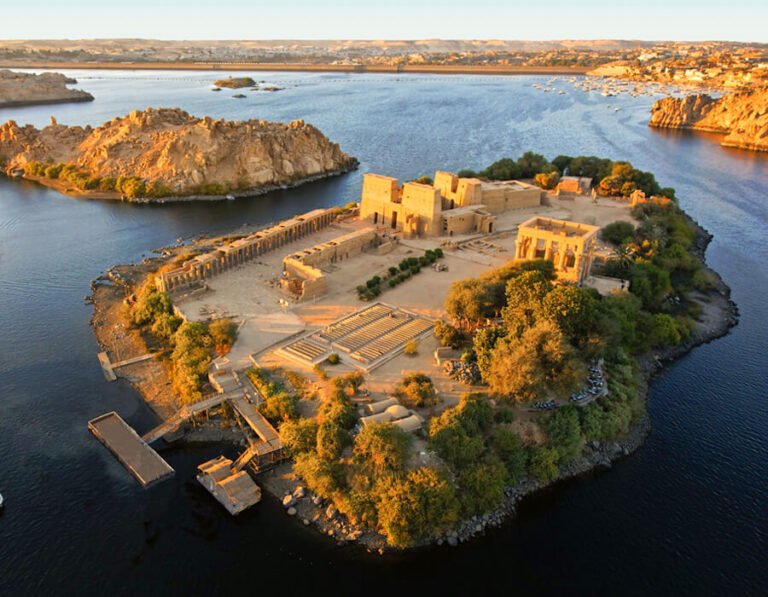
Philae Temple in Aswan Egypt: Discover Egypt’s Monuments
The Philae Temple in Aswan Egypt, is a marvel nestled along the Nile River in Aswan,…
Ready to plan your Egypt trip?
Tell us your dates and interests. A Cairo consultant will reply within 24 hours with an itemised itinerary — free to enquire.